TL;DR
Electric fleets succeed when they design around time, flexibility and data.
This guide brings together 11 principles Paua has developed from working with UK fleets, summarising the key operational truths every fleet manager needs to understand in 2026.
The 2026 Fleet Manager’s Guide to EV Charging
A practical synopsis of the 11 principles shaping electric fleets today; compiled by the Paua Rangers
Introduction: the 2026 fleet reality
Electric vehicles are no longer a future consideration for fleets. They are an operational reality. What has changed since early pilots is not the technology, but the understanding of what really matters day to day.
Over the past year, Paua has published a series of focused insights answering the most common questions fleet managers ask as they electrify. This guide brings those insights together into a single, practical reference.
Rather than a traditional long form manual, this is a synopsis. Eleven principles that repeatedly determine whether electric fleets scale smoothly or struggle. Each section below summarises one principle, with links to deeper articles where you want to go further.
1. Time is the biggest change in the move to electric
The most underestimated shift in fleet electrification is time. Charging takes longer than refuelling, and that time directly affects productivity, utilisation and service levels.
Successful fleets do not try to eliminate charging time. They design around it. They plan charging into the working day and prioritise keeping vehicles moving rather than chasing the cheapest electricity.
Read more: Why EV charging time matters more than cost for commercial fleets
2. Refuelling now happens in three locations
Electric refuelling no longer happens in one place. Fleets now charge on the road, at home and at work.
Each location has different costs, constraints and operational implications. Relying on a single location rarely scales beyond early pilots. Fleets that succeed design blended strategies that balance flexibility with control.
Read more: Why EV refuelling now happens in three locations for fleets
3. Every charge has three steps: find, charge and pay
Every EV charging session follows the same sequence. A driver must find a charger, successfully charge, and pay for the session.
Friction at any one of these steps wastes time. For fleets, small points of friction compound quickly. Simplification across all three steps is one of the fastest ways to protect productivity.
Read more: Why every EV charge has three steps: find, charge and pay
4. Fleets need two charging strategies
There are only two viable charging strategies. Charge where you park, or park where you charge.
Long dwell times suit slower charging. Short stops require higher power charging. Problems arise when fleets apply one strategy universally instead of matching charging power to dwell time.
Read more: Why electric fleets need two charging strategies
5. Time away from the job is rarely worth a cheaper charge
Electricity price is visible. Time cost is often hidden.
For commercial fleets, even small detours or delays usually cost more in driver time than they save in cheaper electricity. Fleets that prioritise productivity consistently outperform those that chase the lowest pence per kilowatt hour.
Read more: Why time away from the job is rarely worth a cheaper EV charge
6. Commercial vehicles change the equation
Vans and trucks operate under tighter constraints than cars. Payload, dwell time and utilisation matter more than headline range.
Charging predictability is often more valuable than battery size. Weak charging strategies are exposed quickly as utilisation increases.
Read more: Why commercial vehicles change the EV charging equation
7. Total cost matters more than electricity price
The cost of charging is not just energy. It includes time, infrastructure, maintenance, administration and utilisation.
Public charging prices often bundle these costs. Depot or home charging prices often do not. Fleets that compare like with like make better decisions.
Read more: Why the total cost of EV charging matters more than electricity price
8. Shared depots unlock scale and resilience
As fleets grow, fixed infrastructure becomes a bottleneck.
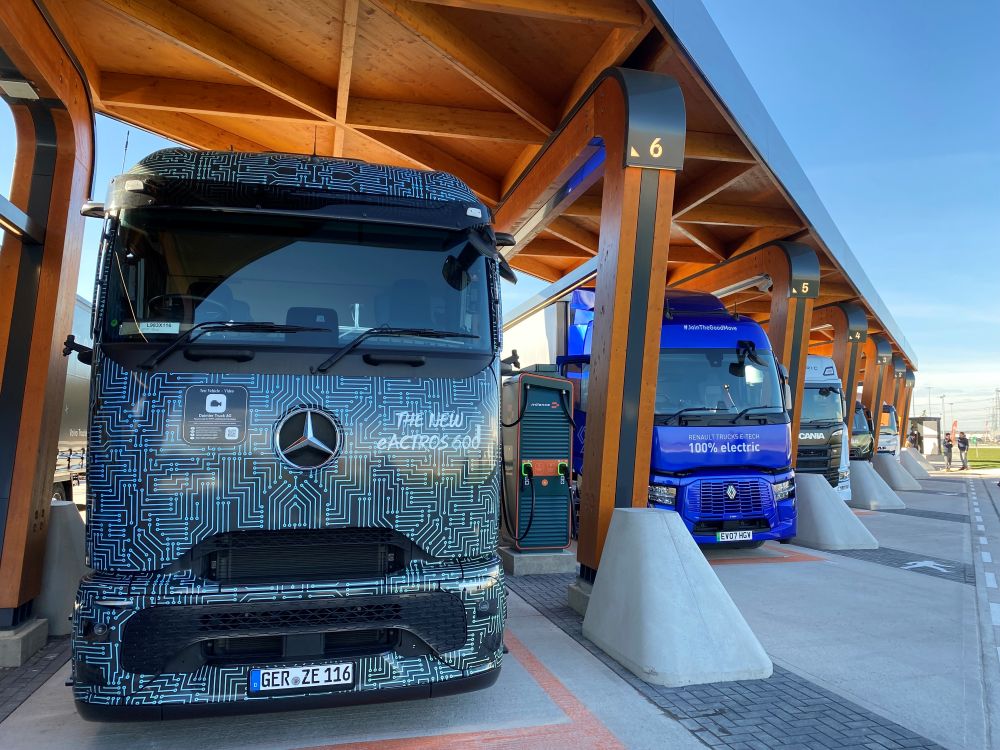
Shared depots and private networks improve utilisation, reduce risk and allow fleets to scale without heavy upfront investment. Access matters more than ownership.
Read more: Why shared depots unlock scale for electric fleets
9. Idle time quietly destroys EV business cases
Idle time rarely looks dramatic. It appears in minutes. Waiting, overstays, poor planning.
Across a fleet, those minutes add up quickly. Fleets that actively manage idle time protect their business cases as they scale.
Read more: Why idle time quietly destroys EV business cases
10. Fraud and misuse are easier to control with EV data
EV charging is digital by default. Every session is traceable.
This makes misuse easier to prevent through rules and patterns rather than investigate after the fact. Data driven controls scale without increasing admin.
Read more: Why fraud and misuse are easier to control with EV data
11. Live data is the lever
Live charging data turns electrification from a cost to manage into a system to optimise.
Visibility into time, cost and behaviour allows fleets to improve performance continuously and protect asset health at scale.
Read more: Why live EV charging data is the key to fleet optimisation
Closing: what this means for fleet managers in 2026
The fleets that succeed with electrification are not those with the cheapest electricity or the biggest batteries. They are the ones that design around time, flexibility and data.
These eleven principles reflect the patterns Paua sees repeatedly across UK fleets. Used together, they form a practical operating model for electric fleets in 2026 and beyond.
About Paua
Paua is a UK EV charging payment platform for fleets. We help businesses pay for electric vehicle charging across public networks, home charging and shared depots, giving fleet managers control over time, cost and data as they electrify.
Contact us to learn more