TL;DR
Electric fleets need both slow, planned charging and fast, on route charging. Matching charging power to dwell time keeps vehicles productive.
Why do electric fleets need two charging strategies: charge where you park or park where you charge?
Electric fleets need two charging strategies because charging speed and dwell time must match how vehicles are actually used. Some vehicles have long, predictable parking periods. Others need to get back on the road quickly. Trying to use a single charging approach creates wasted time and operational friction.
Paua provides services that manage payment for charging that match both strategies.
What the two EV charging strategies actually mean
Every charging approach fits into one of two models.
- Charging where you park means using lower power charging during long dwell periods. This includes overnight home charging or depot charging where vehicles remain parked for hours.
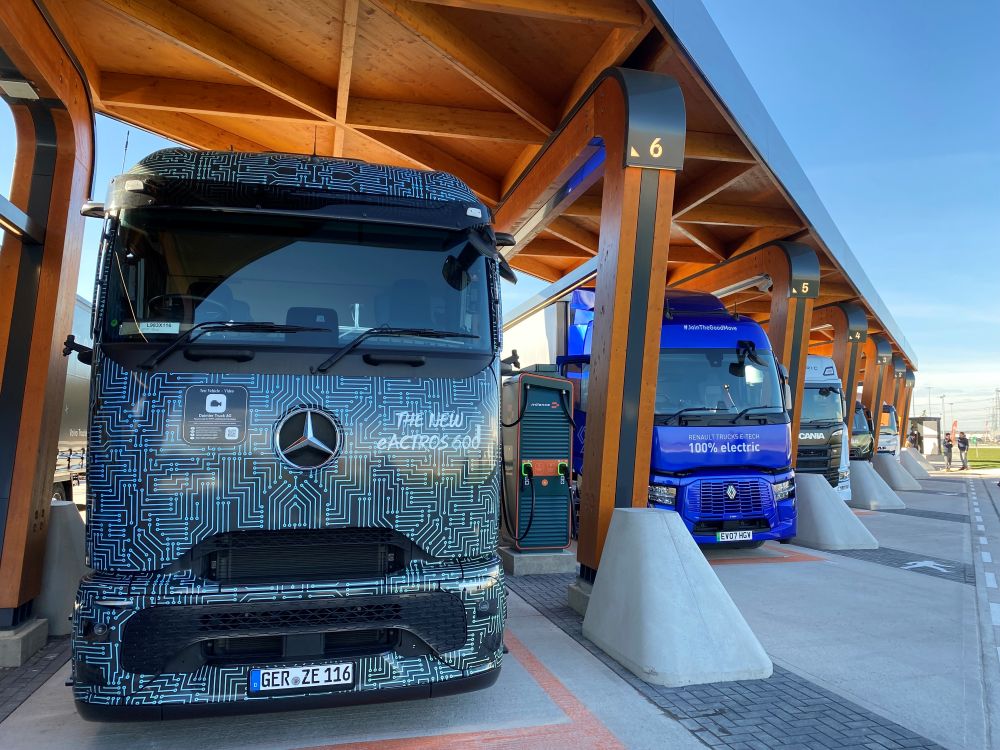
- Parking where you charge means using higher power charging to minimise dwell time. This is most common with public rapid or ultra rapid chargers used during the working day.
Both strategies are valid. Problems arise when fleets apply one universally.
Why dwell time should dictate charging power
Charging strategy is not about preference. It is about time available.
As a simple rule, the shorter the dwell time, the higher the charging power required. Long dwell periods suit slower charging. Short stops require faster charging to avoid idle time.
Commercial vehicles shift between these modes regularly depending on routes, payload, shift patterns and utilisation.
Common mistakes fleets make
Many fleets design charging around infrastructure rather than operations. Vehicles are forced to wait for chargers or are sent to high power chargers when slower, planned charging would have been more appropriate.
This increases costs, idle time and driver frustration.
Paua supports both strategies to avoid this.
How successful fleets use both strategies together
Well run electric fleets deliberately mix both approaches. They use overnight or depot charging wherever possible and rely on high power public charging to support operational flexibility.
The goal is not to eliminate one strategy, but to apply the right one at the right time.
Frequently asked questions
Is overnight charging always the best option?
Only if vehicles have sufficient dwell time and predictable schedules.
Are rapid chargers too expensive to use regularly?
They can be more expensive per kWh, but often save money overall by reducing downtime.
Can fleets rely on just one strategy long term?
Rarely. Scale and utilisation usually require both.
How Paua helps
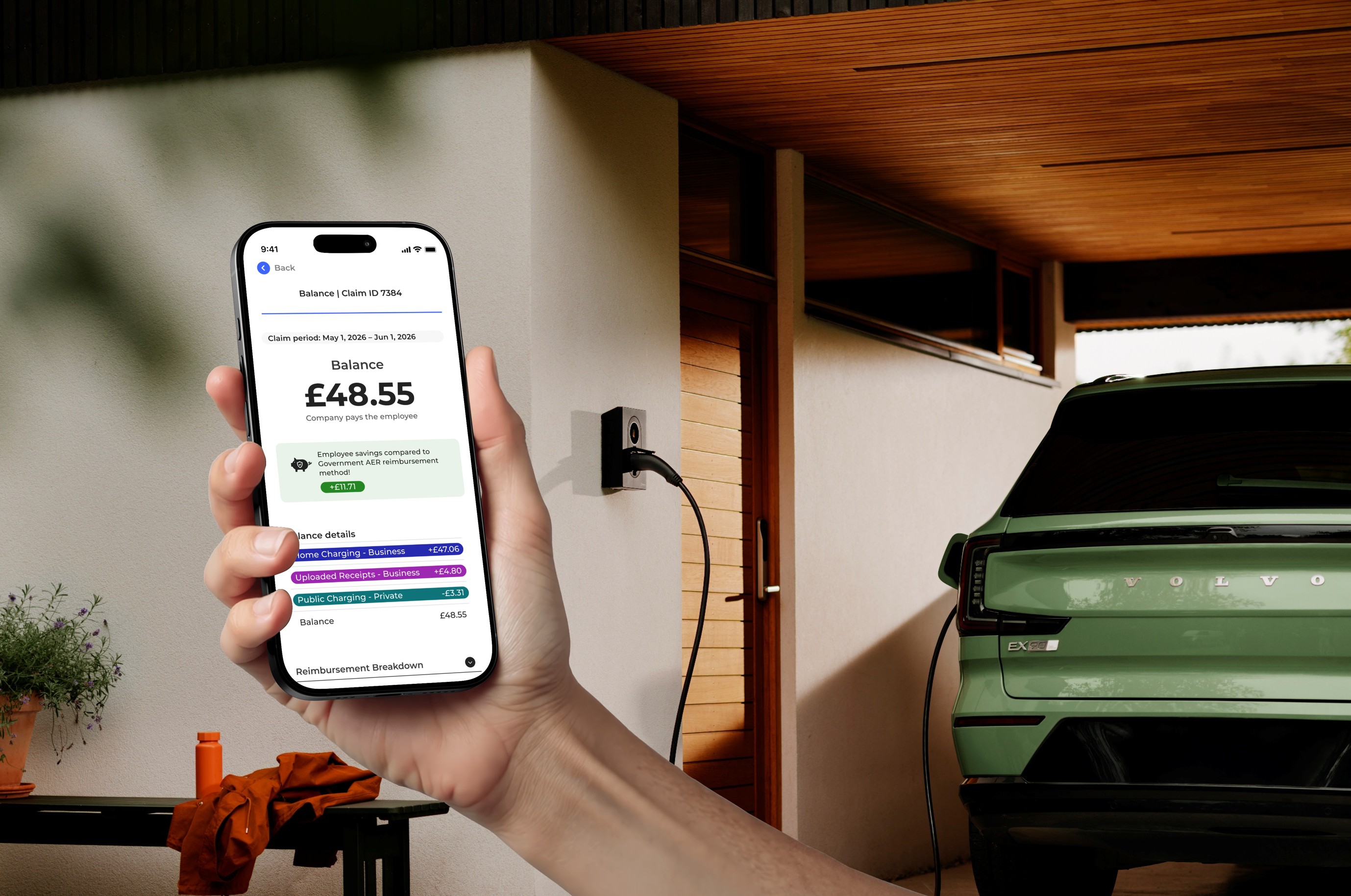
Paua supports both charging strategies across public networks, home charging and shared depots. Fleets can choose the right charging option for each situation while maintaining one payment system and one view of performance.
Related reading
- Why EV charging time matters more than cost for commercial fleets
- Why EV refuelling now happens in three locations for fleets
- Why every EV charge has three steps: find, charge and pay
- Why time is worth more than cheap electricity
About Paua
Paua is a UK EV charging payment platform for fleets. We help businesses pay for electric vehicle charging across public networks, home charging and shared depots, giving fleet managers control over time, cost and data as they electrify.