TL;DR
Shared depots and private networks help electric fleets scale by improving utilisation, flexibility and resilience without heavy infrastructure investment.
Why do shared depots and private networks unlock scale for electric fleets?
Shared depots and private charging networks unlock scale for electric fleets because they increase utilisation, resilience and flexibility without requiring every fleet to build its own infrastructure. As fleets grow, access matters more than ownership.
Paua recognised this early and has been building shared private depot solutions since 2024.
Why fixed charging infrastructure limits fleet growth
Early EV deployments often rely on home or single site depot charging. This works at small scale but quickly becomes a constraint as fleet size, utilisation and route complexity increase.
Power availability, grid upgrades and dwell time all limit how much charging a single site can support. When vehicles queue to charge, productivity suffers.
For growing fleets, infrastructure often becomes the first bottleneck, not vehicle availability.
What shared depots and private networks actually are
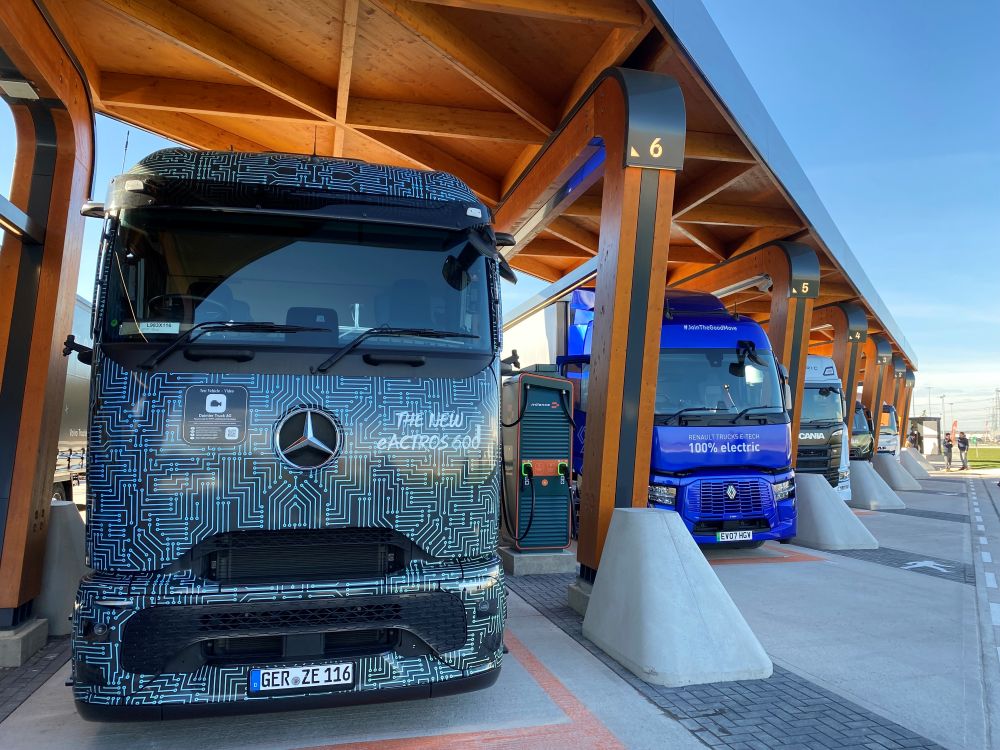
Shared depots allow fleets to access charging at trusted third party or partner locations. Private networks connect chargers across multiple sites under shared access rules.
This model mirrors how fleets already operate vehicles, drivers and depots across regions rather than from a single base.
Why sharing improves utilisation and economics
Charging infrastructure is capital intensive. Chargers that sit idle are expensive assets.
Shared access improves utilisation by spreading demand across sites and time periods. It also reduces the need for overbuilding infrastructure to handle peak demand.
For some fleets, opening private depots to others can also offset costs and improve return on investment.
Why shared access improves resilience
Access to multiple charging locations reduces operational risk. If one site is unavailable due to outages, congestion or maintenance, vehicles can charge elsewhere without disruption.
Resilience becomes critical as fleets scale and service levels tighten.
Frequently asked questions
Are shared depots secure?
Yes, when access is controlled digitally and restricted to authorised vehicles.
Do shared depots replace public charging?
No. They complement public charging by adding predictable, trusted locations.
Is sharing only for large fleets?
No. Smaller fleets often benefit most by avoiding large upfront infrastructure investment.
How Paua helps
Paua enables fleets to access shared depots and private charging networks alongside public charging. This gives fleet managers flexibility to scale charging without being constrained by fixed infrastructure.
Related reading
- Why EV refuelling now happens in three locations for fleets
- Why electric fleets need two charging strategies
- Why the total cost of EV charging matters more than electricity price
- How idle time quietly destroys EV business cases
About Paua
Paua is a UK EV charging payment platform for fleets. We help businesses pay for electric vehicle charging across public networks, home charging and shared depots, giving fleet managers control over time, cost and data as they electrify.
Find out more in a short call or read more on our Paua Share webpage