TL;DR
EV refuelling now happens on the road, at home and at work. Fleets that rely on a single charging location struggle to scale and lose operational resilience.
Why does EV refuelling now happen in three locations for fleets?
EV refuelling now happens in three locations because electricity can be accessed wherever vehicles park, not just at fuel stations. For fleets, this means charging can take place on the road, at home and at work. This shift fundamentally changes how fleet managers must think about refuelling, cost control and operations.
Why EV refuelling no longer happens in one place
In a petrol or diesel world, refuelling is centralised. Vehicles visit fuel stations, refuel quickly and return to work. Electric vehicles break this model.
Electricity is distributed. Vehicles can charge wherever there is power and time. As a result, the traditional petrol station has effectively been split into three distinct charging locations, each with different operational characteristics.
This decentralisation creates flexibility, but also complexity. Fleet managers must now coordinate charging across multiple environments rather than relying on a single refuelling model.
Paua is built to deliver solutions for these three locations - the three pillars of EV charging payment: home, public and workplace
What are these three locations? The three EV charging locations fleets must manage
On the road
Public charging provides flexibility and resilience. It enables vehicles to charge during the working day, supports longer routes and acts as a safety net when home or workplace charging is unavailable. It must be managed carefully to avoid wasted time and unexpected costs.
At home
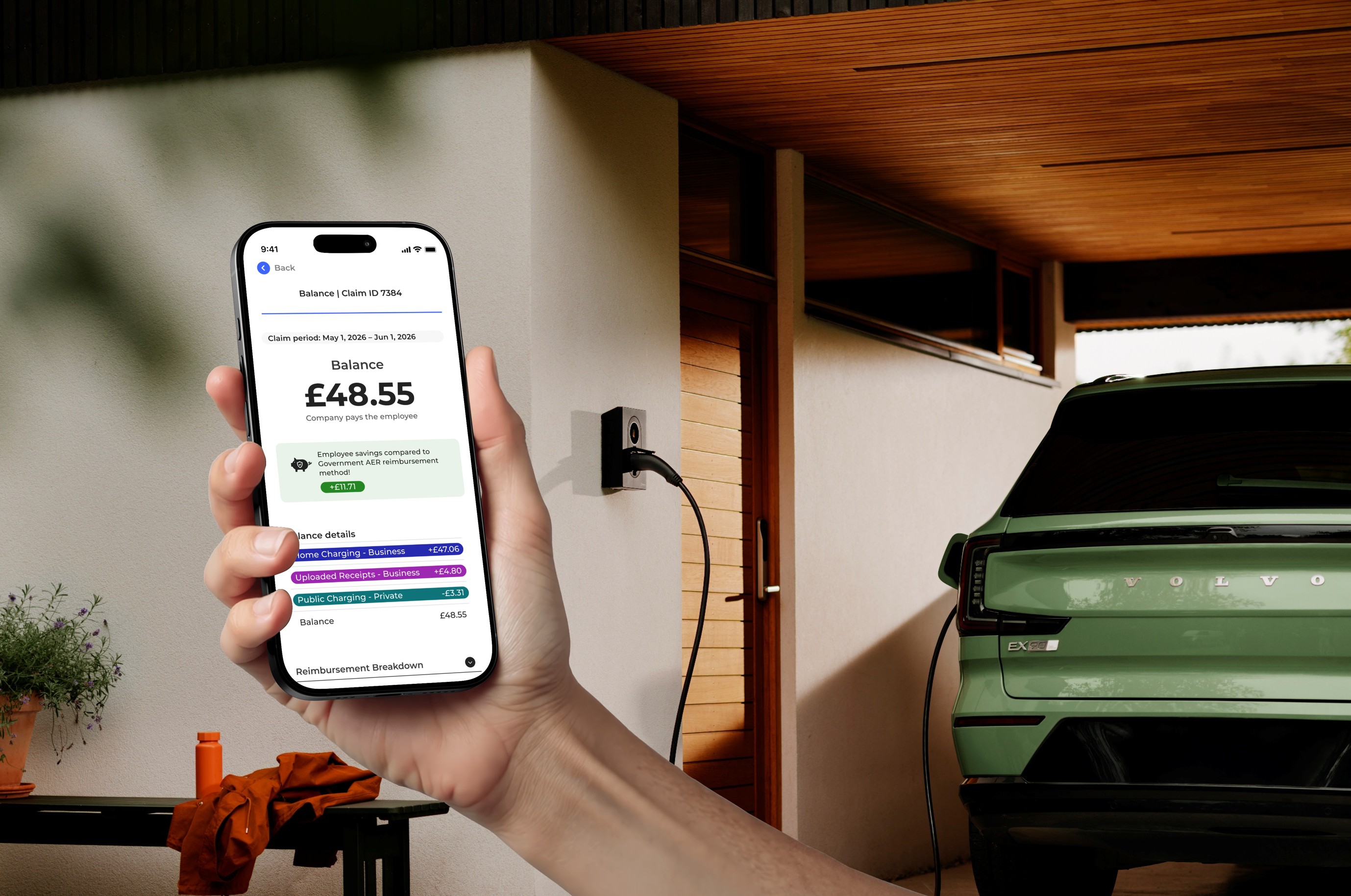
Home charging is often the cheapest option and works well for predictable schedules. However, it introduces challenges around reimbursement, fairness, policy and consistency across drivers.
At work
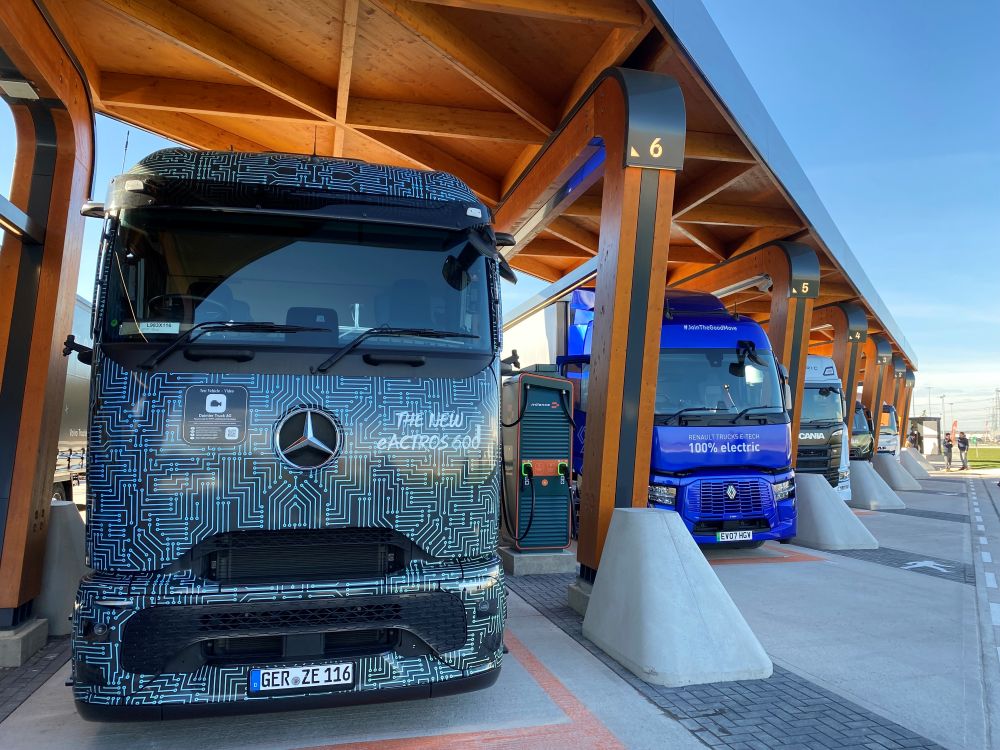
Depot or workplace charging offers control and reliability. Power availability, dwell time and scale can become limiting factors as fleets grow.
Why one location rarely scales for commercial fleets
For commercial fleets, relying on just one charging location rarely scales beyond early pilots. Vehicles operate across shifts, routes and regions. Disruptions, growth and utilisation quickly expose weaknesses in single location strategies.
Successful fleets design blended charging strategies that balance flexibility with control across all three locations. Paua delivers payment and charging services across all three locations.
Common mistakes fleets make early
Many fleets over invest in one charging location and under plan for the others. This leads to operational bottlenecks, frustrated drivers and reduced resilience as fleets scale.
How successful fleets design blended charging strategies
Well run electric fleets treat charging as a system, not a site. They give drivers access to multiple charging locations while maintaining visibility, consistency and control across all of them.
Frequently asked questions
Why can’t fleets rely only on depot charging?
Depot charging works well initially but often becomes a bottleneck as fleet size, utilisation and shift complexity increase.
Is home charging enough for commercial vehicles?
Not always. Vehicle size, parking constraints and shared accommodation mean home charging is not universal for commercial drivers.
Why is public charging still important if fleets have depots?
Public charging provides operational resilience when planned charging is unavailable or disrupted.
How Paua helps
Paua supports fleet charging across public networks, home charging and shared depots. By bringing all three locations into one EV charging payment platform, fleets gain flexibility without losing control or visibility.
Related reading
- Why EV charging time matters more than cost for commercial fleets
- Charge where you park or park where you charge
- Why shared depots unlock scale for electric fleets
- How idle time quietly destroys EV business cases
About Paua
Paua is a UK EV charging payment platform for fleets. We help businesses pay for electric vehicle charging across public networks, home charging and shared depots, giving fleet managers control over time, cost and data as they electrify.
Want to find out more - contact us.