TL;DR
Electricity price alone does not reflect the true cost of EV charging. Fleets need to optimise for total cost, not just pence per kWh.
Why does the total cost of EV charging matter more than the electricity price for fleets?
The total cost of EV charging matters more than the electricity price because energy is only one part of the cost. For fleets, time, infrastructure, administration and utilisation often outweigh differences in pence per kilowatt-hour.
This is a message that was used to shape Paua and our EV charging services. Total cost of EV charging has to be considered to understand your operational costs.
Why electricity price is an incomplete metric
Electricity price is easy to compare and often dominates conversations about EV charging. But it only reflects the marginal cost of energy, not the full cost of delivering a usable charge.
Public charging prices typically bundle infrastructure, installation, maintenance, software, support and uptime. Depot or home charging prices often reflect only the cost of electricity, with capital and operating costs accounted for elsewhere or forgotten entirely.
Comparing these prices directly leads to poor decisions.
What makes up the total cost of charging
The true cost of charging includes:
- Driver time and vehicle downtime
- Detours and waiting
- Overstay fees
- Hardware and installation costs
- Maintenance and software
- Administration and reimbursement
For commercial fleets, these factors can easily exceed the cost of electricity itself.
Why this matters more for vans and trucks
High utilisation amplifies hidden costs. A charging option that looks cheap but increases downtime quickly becomes expensive at scale.
Fleets that focus only on unit price often underestimate real operating costs.
HIgh power connections required for larger vehicles reveal the costs of developing your own infrastructure more clearly than for smaller vehicles.
How successful fleets compare charging options
Well run fleets compare charging options on a like-for-like basis. They assess the total cost of charging, not just the headline electricity price, and prioritise options that keep vehicles productive.
Frequently asked questions
Is public charging always more expensive?
Not when total cost is considered. Public charging often reduces downtime and administration as well as avoiding direct capital expense.
Should fleets ignore electricity price?
No. Price matters, but only as part of the full cost picture.
Why is depot charging sometimes underestimated?
Because capital, maintenance and utilisation costs are often excluded from the per kWh figure.
How Paua helps
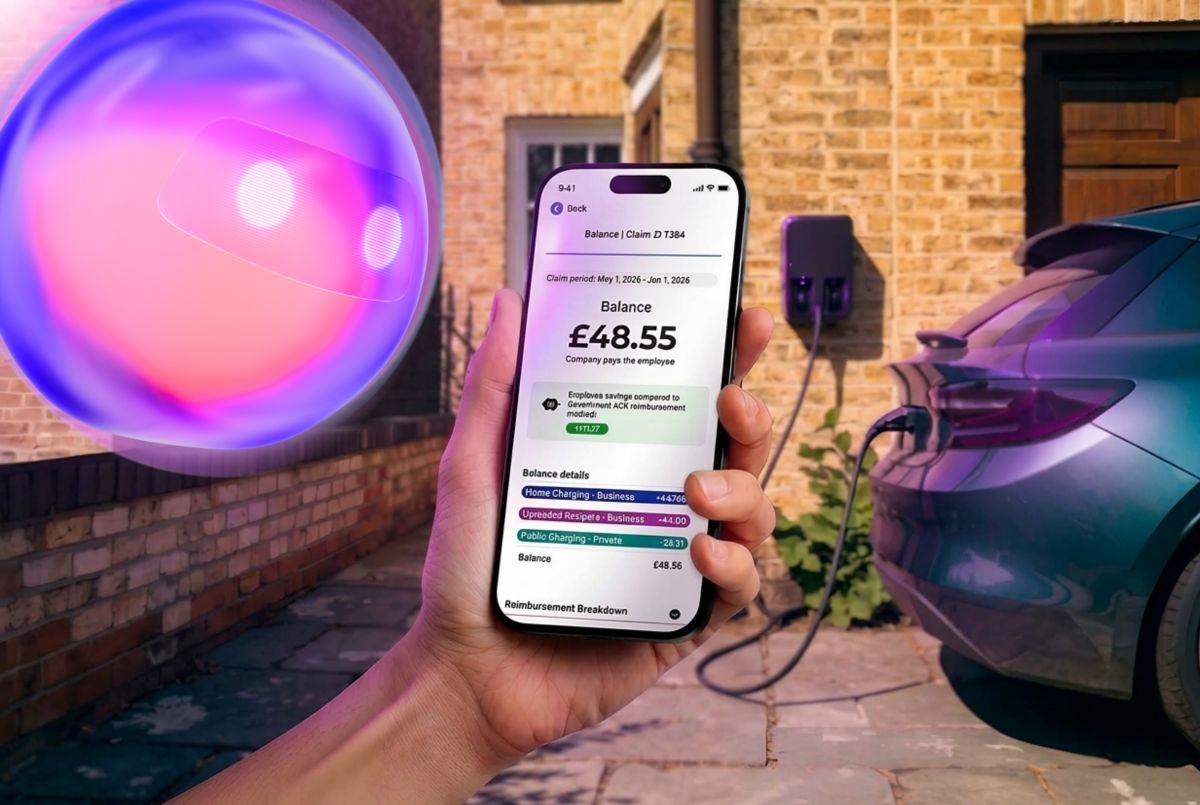
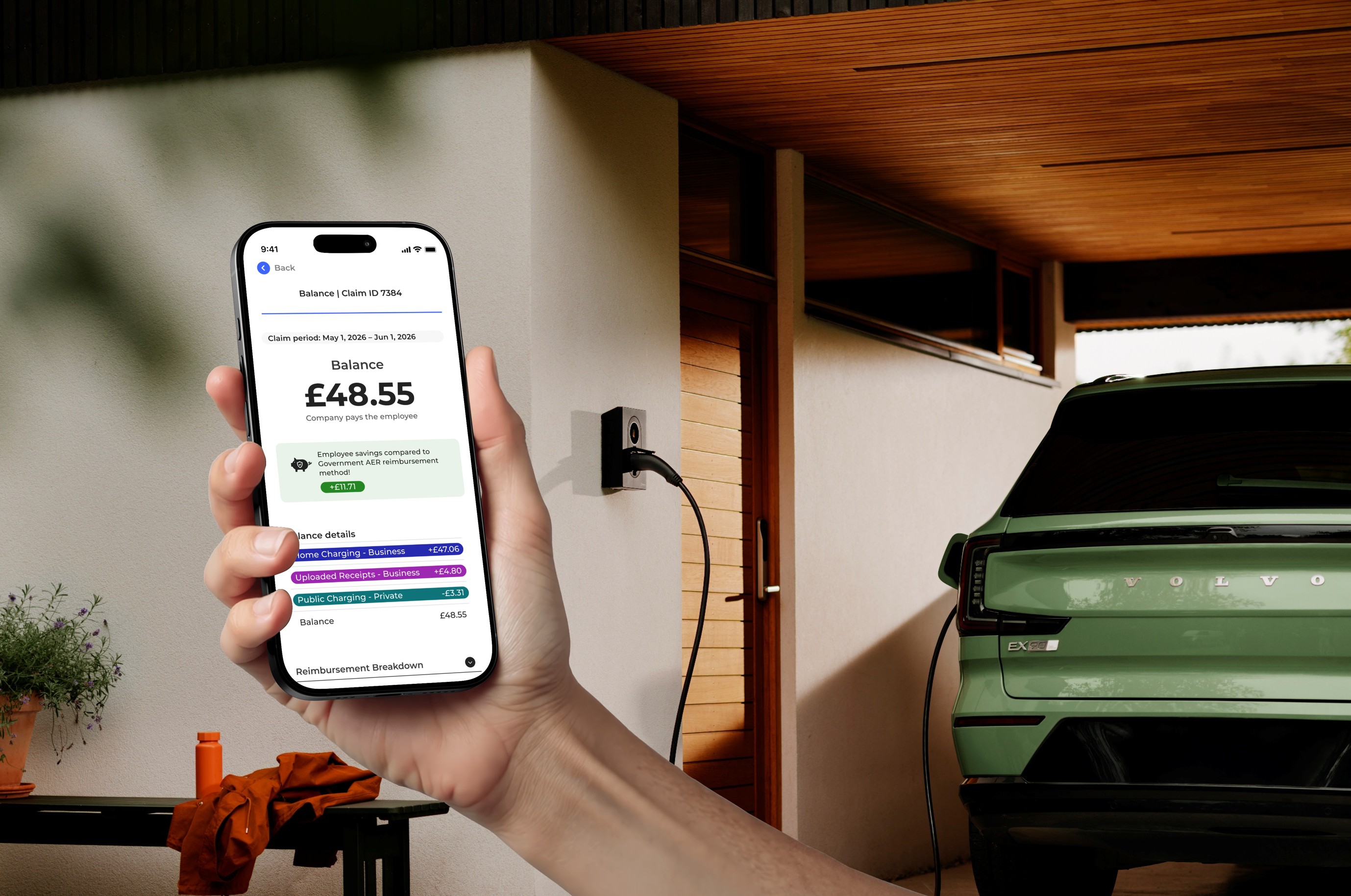
Paua gives fleets a single view of charging costs across public networks, home charging and shared depots. This helps fleet managers understand and optimise the true total cost of charging.
Related reading
- Why EV charging time matters more than cost for commercial fleets
- Why time away from the job is rarely worth a cheaper EV charge
- Why shared depots unlock scale and resilience for fleets
- How idle time quietly destroys EV business cases
About Paua
Paua is a UK EV charging payment platform for fleets. We help businesses pay for electric vehicle charging across public networks, home charging and shared depots, giving fleet managers control over time, cost and data as they electrify.