TL;DR
Every EV charge involves finding a charger, charging the vehicle and paying for the session. Fleets that simplify all three steps save time and reduce operational friction.
Why does every EV charge have three steps: find, charge and pay?
Every EV charging session follows the same three steps because charging is no longer a single, simple transaction. Drivers must first find a suitable charger, then successfully charge the vehicle, and finally pay for the session. For fleets, friction at any one of these steps creates lost time, frustration and unnecessary cost.
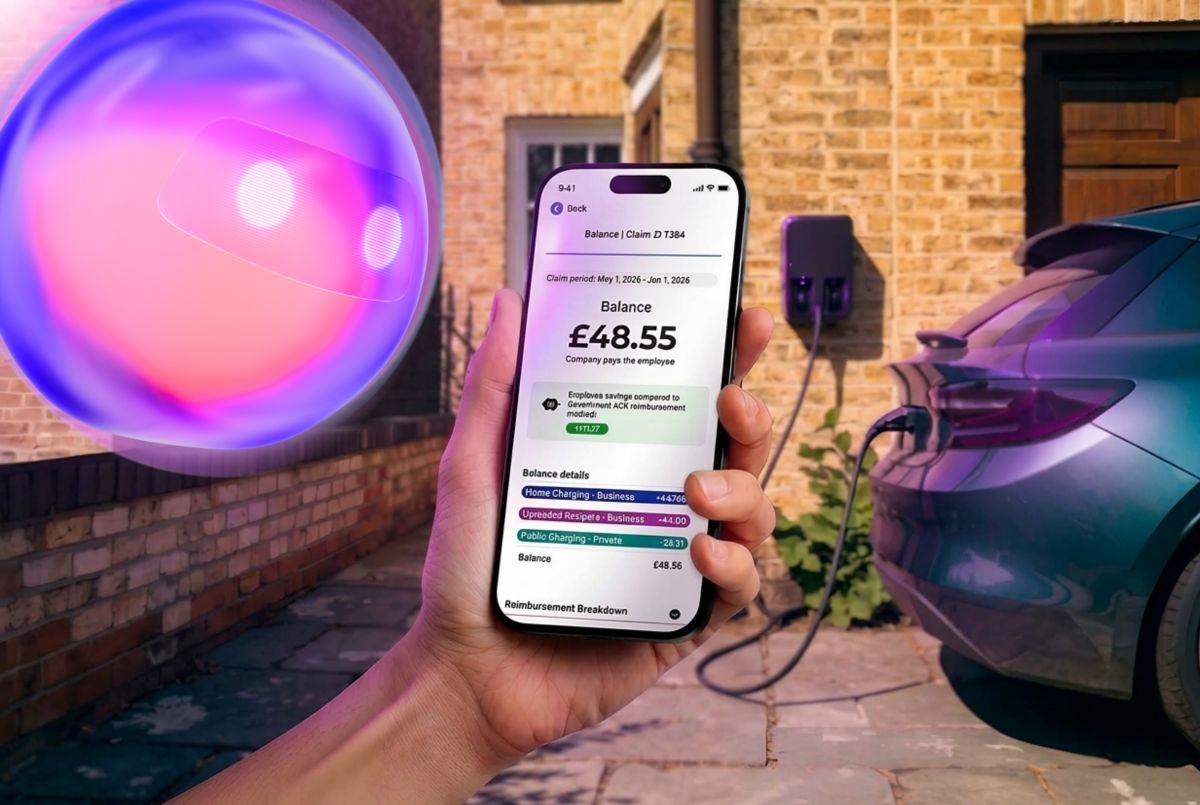
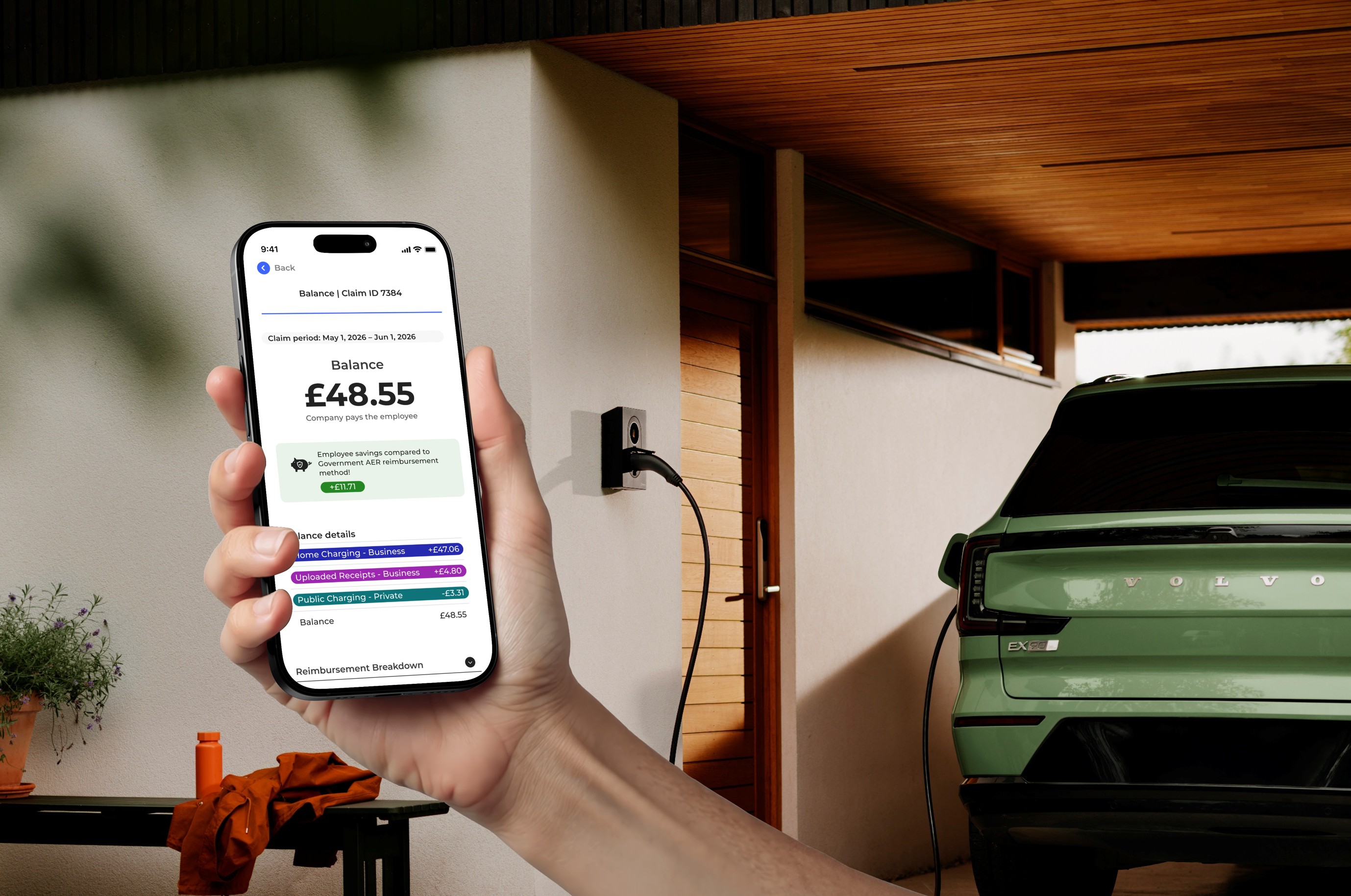
Paua provides business with tools to support them with their EV charge; find, charge &pay.
Why EV charging feels more complex than refuelling
With petrol or diesel, the process is largely invisible. Fuel stations are easy to locate, pumps are standardised and payment is familiar. EV charging is fragmented across locations, networks and technologies.
Drivers must locate compatible chargers, ensure they are available and working, and then complete payment using the correct method. Each step introduces potential failure points that did not exist in traditional refuelling.
Paua has been delivering solutions finding, charging and paying for EV charging since 2019.
Find: locating the right charger at the right time
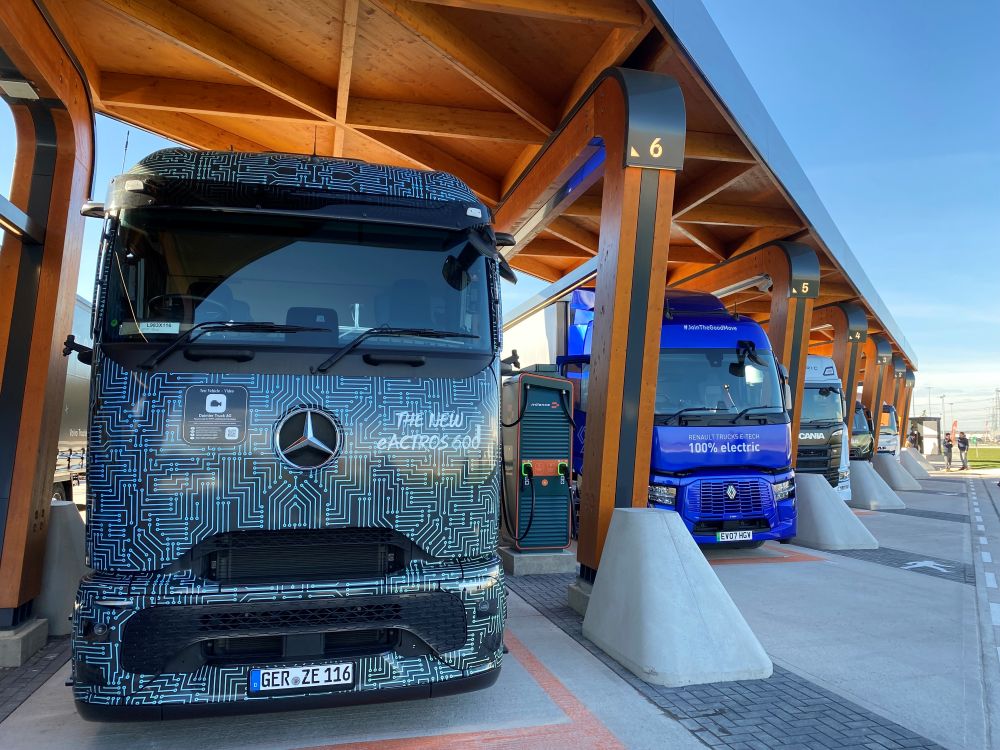
Finding a charger is often the first source of delay. Chargers may be hard to locate, occupied, out of service or incompatible with the vehicle. Commercial drivers operating to schedules have little tolerance for uncertainty.
Charge: starting and completing the session
Even once located, charging can fail. Network issues, connector problems or incorrect dwell time can prevent vehicles from charging efficiently. Poor charging behaviour often goes unnoticed without visibility.
Pay: the hidden friction point
Payment is where fleets often struggle most. Multiple apps, cards, subscriptions and missing receipts create administrative burden and wasted driver time.
Why friction compounds for fleets?
In fleet operations, small points of friction across find, charge and pay quickly compound into significant lost time. Commercial vehicles feel this first due to higher utilisation and tighter routes.
How successful fleets simplify all three steps
Well run electric fleets give drivers one place to find chargers, a reliable way to start and stop charging, and a single payment method that works everywhere. Simplification reduces delays, improves compliance and protects productivity.
Frequently asked questions
Which step causes the most problems for fleets?
Payment often creates the most friction due to inconsistent systems and missing receipts.
Is this mainly a driver training issue?
Training helps, but system design matters more. Good systems reduce reliance on perfect behaviour.
Do these issues reduce over time?
Yes, but only if fleets actively simplify and standardise the process.
How Paua helps
Paua simplifies how drivers find, charge and pay for EV charging. By bringing multiple networks and locations into one EV charging payment platform, fleets reduce friction, wasted time and administrative overhead.
Related reading
- Why EV charging time matters more than cost for commercial fleets
- Why EV refuelling now happens in three locations for fleets
- Charge where you park or park where you charge
- How idle time quietly destroys EV business cases
About Paua
Paua is a UK EV charging payment platform for fleets. We help businesses pay for electric vehicle charging across public networks, home charging and shared depots, giving fleet managers control over time, cost and data as they electrify.
Want to find out more; book a call