TL;DR
For commercial fleets, payload, dwell time and utilisation matter more than headline EV range.
Why do commercial vehicles change the EV charging equation for fleets?
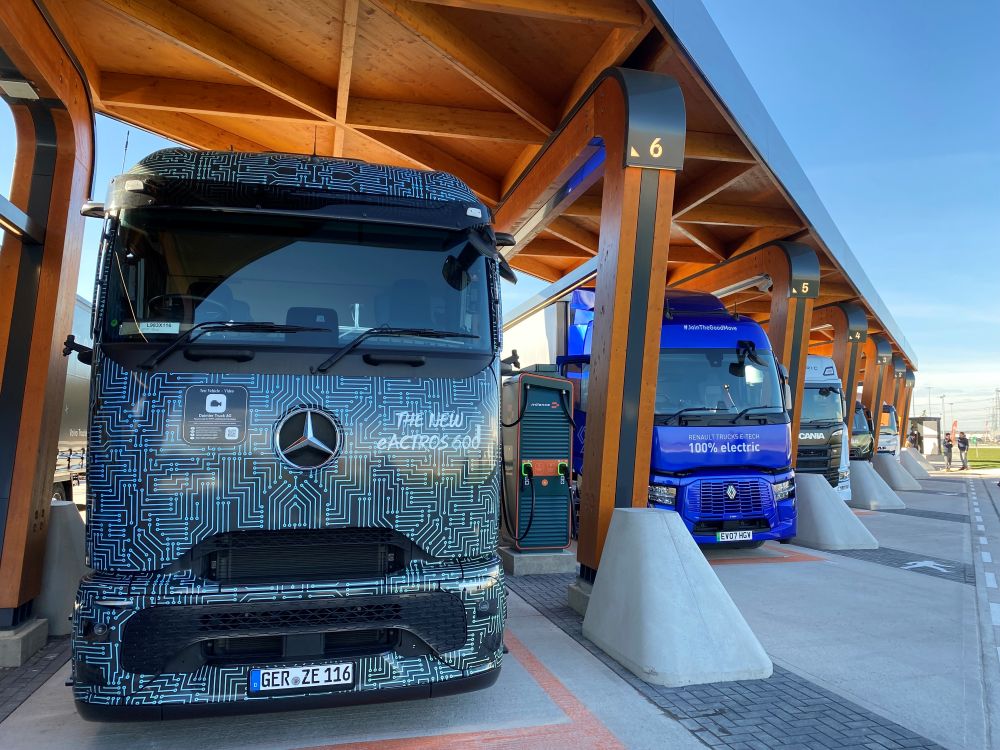
Commercial vehicles change the EV charging equation because payload, dwell time and utilisation matter more than headline range. Vans and trucks operate under tighter constraints than cars, and charging strategies that work for company cars often fail when applied to commercial fleets.
Paua has been optimising EV charging payment solutions for commercial fleets longer than anwyone else on the market.
Why range is the wrong starting point for commercial vehicles
Much of the EV conversation focuses on maximum range. For commercial fleets, this can be misleading. Payload reduces efficiency, routes are less flexible and vehicles are often in near constant use.
What matters is not how far a vehicle can go on paper, but how reliably it can complete its workday and return to service.
Payload, dwell time and utilisation matter more
Payload increases energy consumption and reduces real world range. High utilisation means vehicles have fewer natural opportunities to charge. Dwell time is often fragmented around loading, unloading and shift changes.
These factors make charging predictability more important than battery size.
A vehicle that charges quickly and consistently at the right moments is often more valuable than one with a larger battery that is difficult to keep topped up.
Why commercial fleets feel problems earlier
In commercial fleets, operational disruption is far more often caused by missed charging opportunities than by insufficient vehicle range. Weak charging strategies are exposed quickly as utilisation increases.
This is why pilot programmes that appear successful with cars often struggle when scaled to vans or trucks.
How successful fleets plan for commercial reality
Well run fleets assess vehicles, routes, dwell time and charging locations together. They design charging strategies around real world operations, not laboratory range figures.
The goal is predictable uptime, not maximum range.
Frequently asked questions
Is EV range still important for vans and trucks?
Yes, but it is only one factor. Charging opportunity and dwell time usually matter more.
Do commercial vehicles need bigger batteries?
Not always. Better access to reliable charging can be more effective than increasing battery size.
Why do pilots fail when fleets scale?
Because utilisation exposes weaknesses in charging strategy that are not visible at small scale.
How Paua helps
Paua supports commercial fleets with EV charging payment across public networks, home charging and shared depots. This gives vans and trucks reliable access to charging that fits real world operations, not just ideal conditions.
Related reading
- Why EV charging time matters more than cost for commercial fleets
- Why EV refuelling now happens in three locations for fleets
- Why electric fleets need two charging strategies
- Why idle time quietly destroys EV business cases
About Paua
Paua is a UK EV charging payment platform for fleets. We help businesses pay for electric vehicle charging across public networks, home charging and shared depots, giving fleet managers control over time, cost and data as they electrify.
Discuss with the team here