TL;DR
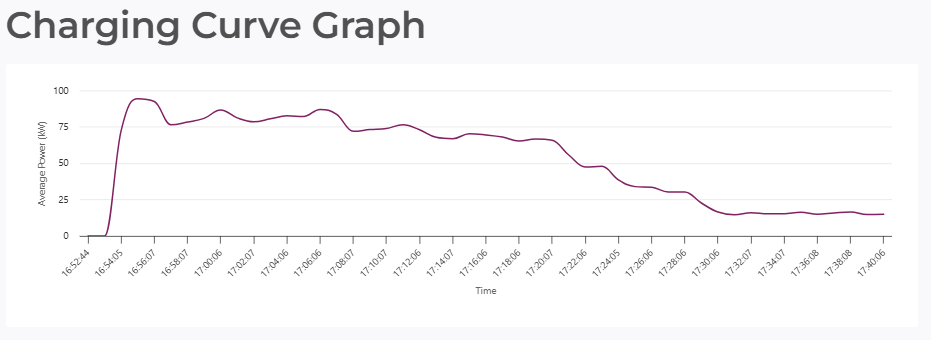
Most EVs charge quickly up to around 80%, then slow down significantly to protect the battery.
That final 20% can take as long as the first half of the session.
Understanding this helps drivers use public chargers more efficiently.
Why EV charging slows down after 80%
If you’re new to electric vehicles, you’ll often hear people talk about “charging to 80%”.
But no one always explains why.
I was reminded of this recently when chatting to a new EV driver at a charger. He’d heard about the 80% rule, but didn’t know what actually happens after that point.
It’s about charging speed, not battery fear
Most modern EVs are designed to charge quickly up to around 80%.
After that, the charging speed slows down significantly. This is deliberate. As the battery fills, the car reduces the rate of charge to protect battery health and manage heat.
The result is simple:
- The first 60 to 80% is fast
- The final 20% is slow
In many cases, the last 20% can take as long as the first half of the session.
Why this matters at public chargers
Public charging works best when chargers turn over regularly.
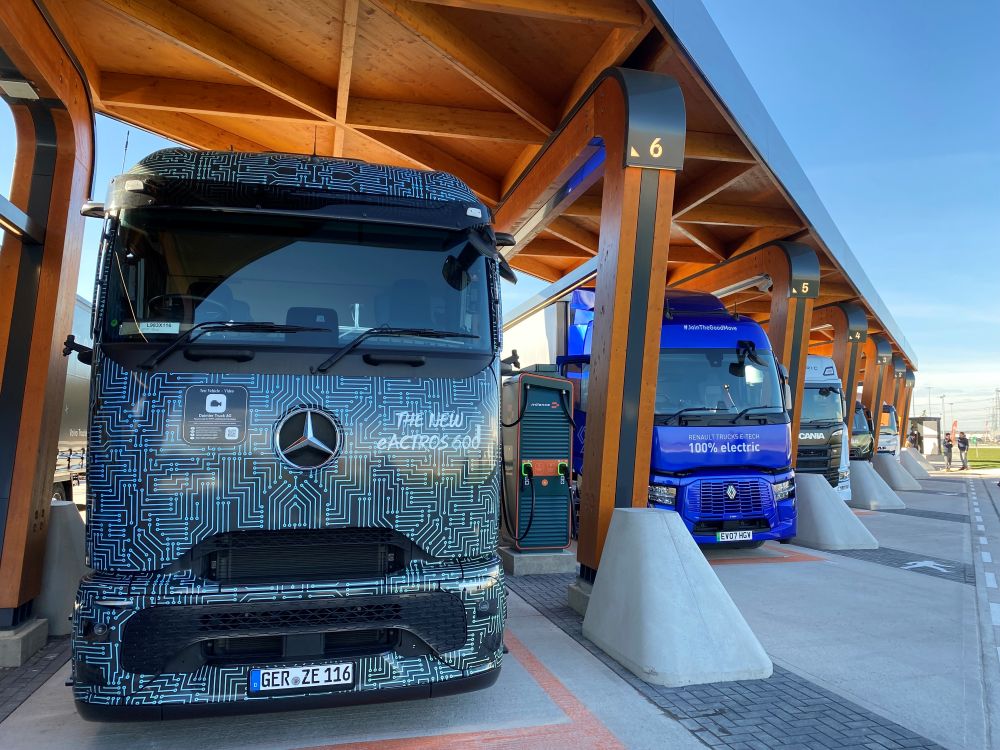
If a car is sitting at a rapid charger while charging very slowly from 80 to 100%, that charger is effectively blocked for much longer than necessary.
This is where charging etiquette comes in. Drivers are often encouraged to move on once they reach 80%.
But etiquette only works when people understand the reason behind it.
Charging behaviour follows understanding
EV charging still follows a simple pattern:
find, charge, pay
When drivers understand how charging speed changes, they make better decisions. That might mean:
- Charging to 80% on a rapid charger
- Moving on sooner when others are waiting
- Planning a top up later instead of waiting for 100%
This isn’t about rules. It’s about understanding how EVs actually charge.
When does charging to 100% make sense?
There are times when charging past 80% is the right choice.
- Overnight charging at home
- Workplace charging where dwell time is long
- When you genuinely need the extra range
The key is matching charging behaviour to the situation.
The takeaway
The “80% rule” isn’t etiquette for etiquette’s sake.
It’s a practical response to how batteries charge.
Once that’s explained, most drivers get it straight away.
Paua is the EV charging payment platform for business.
If you want to ensure that you manage your EV charging make sure you use a high quality EV charging app.