TL;DR
Who pays for home EV charging at work?
Short answer: the driver pays upfront, but the business should pay in the end.
That gap between who pays and who should pay is where most fleets run into trouble.
As more company vehicles are charged at home, this question comes up again and again from drivers, fleet managers and finance teams. Getting it wrong creates frustration, slows EV adoption and quietly shifts costs onto employees.
Home charging is a critical part of operating fleets so this is a core topic for businesses to understand.
Let’s break it down properly.
Who actually pays for home EV charging?
In almost all cases, the driver pays for the electricity.
Home EV charging uses the driver’s domestic electricity supply. The energy flows through their home meter and appears on their personal energy bill. There is no separate meter for business charging unless a very rare and complex dual meter setup is installed.
So from a cash flow perspective:
- The driver pays their energy supplier
- The business does not receive the bill
- The cost sits with the employee unless it is reimbursed
This is true whether the vehicle is a company car, salary sacrifice vehicle or fleet van.
Why businesses are still responsible for the cost
Even though the driver pays initially, home EV charging for work is a business expense.
If the vehicle is used for business purposes, the energy used to power it is no different to:
- Fuel for an ICE vehicle
- Public charging paid via a fuel card
- Electricity used at a depot
If a business does not reimburse this cost, the driver is effectively subsidising the company every time they plug in at home.
This is where fairness, compliance and employee relations come into play.
What happens if the business does not reimburse?
When home charging is not handled properly, a few predictable issues appear.
Drivers feel out of pocket
If reimbursement is missing, delayed or inaccurate, drivers quickly notice. Energy prices are visible and household bills are personal.
This creates resentment, particularly if:
- The driver does a lot of business mileage
- Energy prices rise
- Public charging is reimbursed but home charging is not
Review our home reimbursement calculator to check if you are out of pocket.
EV adoption slows
Drivers talk. Poor reimbursement experiences spread quickly and can become a barrier to switching from petrol or diesel.
Finance risk creeps in
Ad hoc payments, manual adjustments and inconsistent policies create audit risk and confusion over tax treatment.
What about personal and business use?
Most company vehicle drivers use their car for both work and personal trips. This complicates things, but it does not remove the business obligation.
The key principle is simple:
- Business energy should be reimbursed
- Personal energy should not
The challenge is separating the two accurately, which is where many fleets struggle.
Mileage based approaches try to approximate this. Energy based approaches aim to measure it directly bit without a split it is not effective. Each has implications, which we cover elsewhere.
What if a driver charges multiple vehicles at home?
This is increasingly common.
Examples include:
- Two company EVs in one household
- A company EV and a personal EV
- Multiple drivers sharing a charger
Without clear data and processes, it becomes difficult to:
- Attribute energy to the correct vehicle
- Attribute cost to the correct business
- Avoid over or under payment
This is one of the reasons spreadsheet based approaches start to break down as fleets grow.
Is the business required to pay under HMRC rules?
HMRC allows businesses to reimburse EV charging costs in different ways, including:
- Advisory Electric Rates
- Actual cost reimbursement where supported by data
The rules focus on compliance, not fairness. A method can be compliant while still under compensating drivers if it does not reflect real energy costs.
This distinction matters. Many fleets follow the rules but still create dissatisfaction because the outcome feels wrong to drivers.
Why this becomes a fleet wide problem
For a handful of vehicles, these questions can be handled informally.
As fleets scale, the issue becomes structural:
- Different tariffs
- Different driving patterns
- Different vehicle types
- Different driver circumstances
What starts as “who pays?” quickly turns into:
- How do we calculate this?
- How do we approve it?
- How do we pay it accurately and on time?
- How do we prove it later?
At that point, home charging is no longer just a driver issue. It is a fleet system issue.
How fleets solve this properly
Leading fleets accept three realities:
- Drivers will pay for electricity upfront
- Businesses must reimburse business use
- Manual processes do not scale
This is why more fleets are moving towards structured home energy reimbursement, supported by proper data and automation.
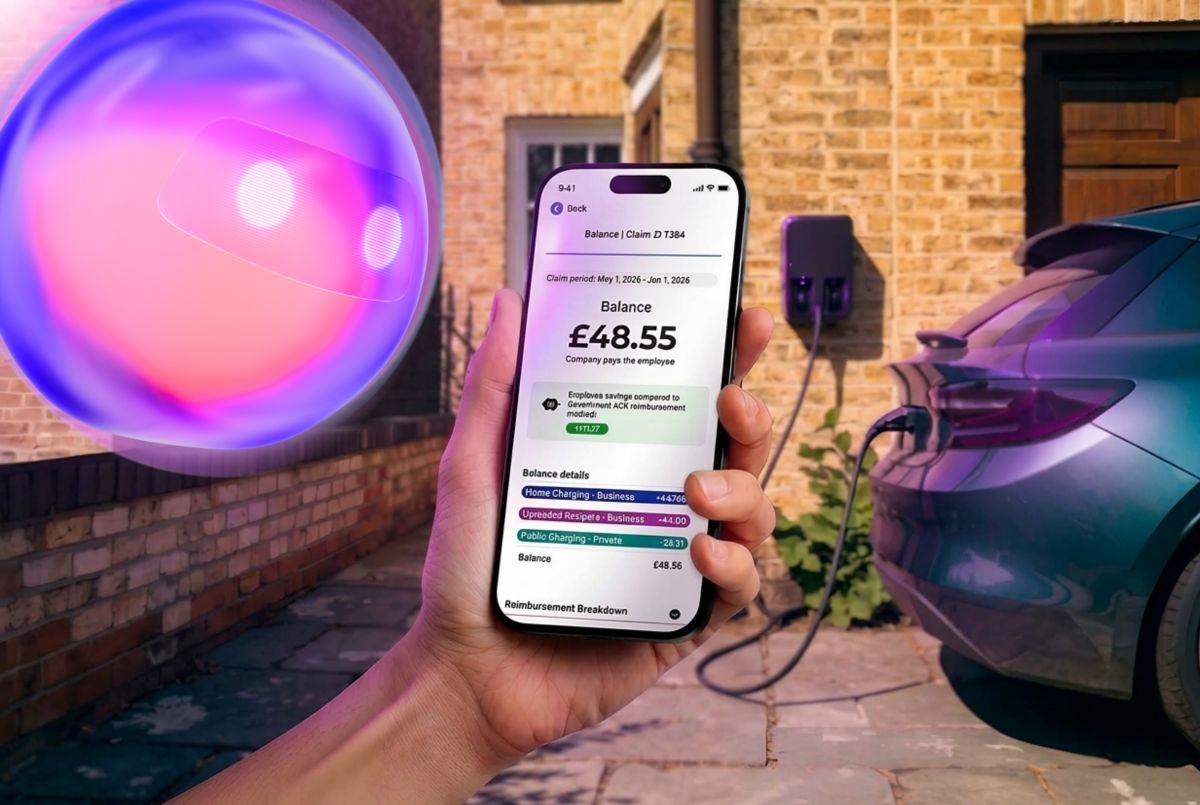
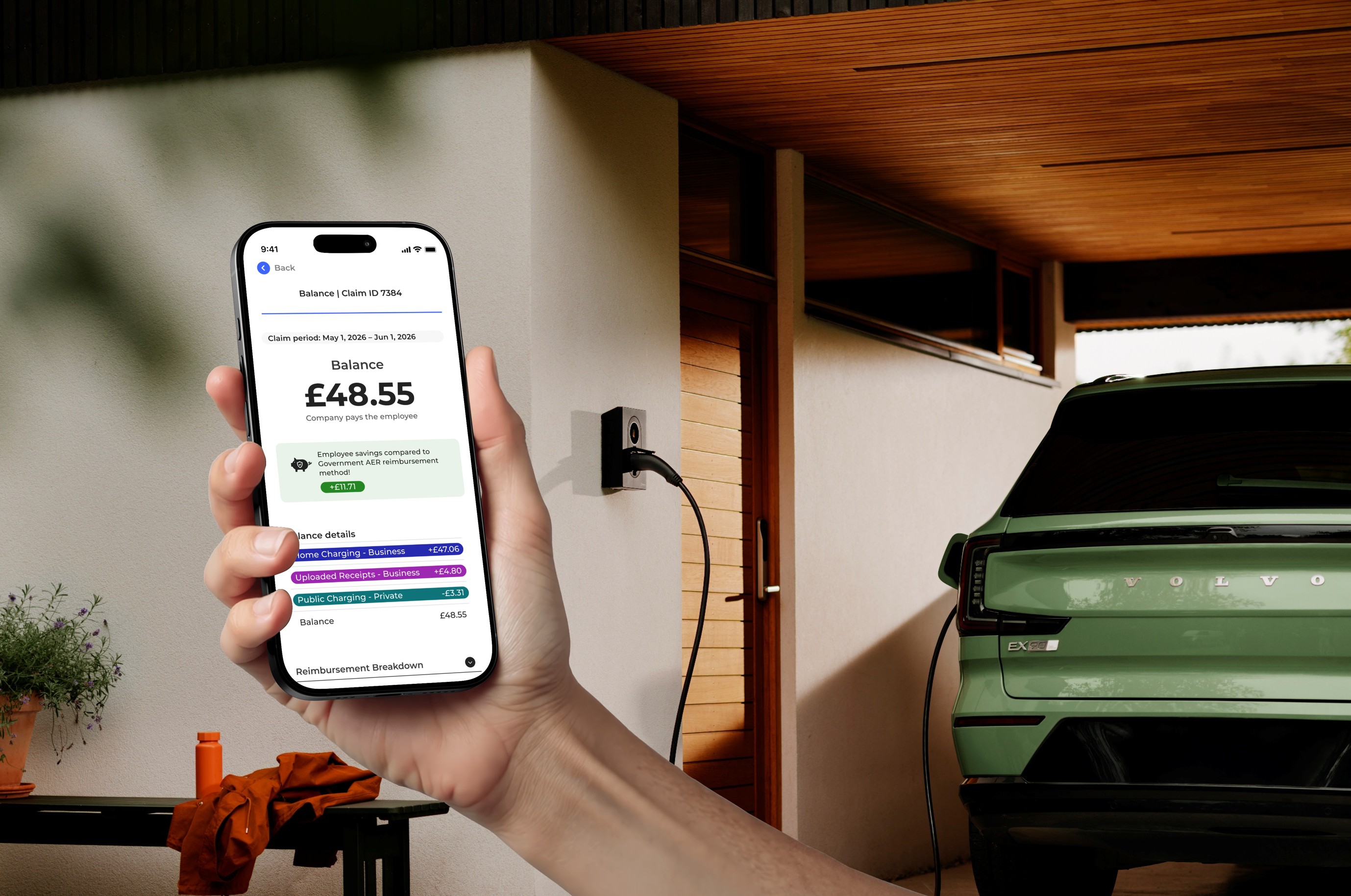
Solutions like Paua Reimburse are designed to handle this complexity by:
- Calculating the real cost of home charging
- Separating business and personal use
- Supporting different tariffs and driver types
- Giving finance teams confidence and control
The result is a fairer experience for drivers and a cleaner process for the business.
The takeaway
So, who pays for home EV charging at work?
- The driver pays initially
- The business should reimburse business use
- Doing nothing is not neutral. It shifts cost onto employees
As home charging becomes the default for electric fleets, this question moves from optional to unavoidable. The sooner it is addressed properly, the smoother the transition to electric vehicles becomes.
Paua is a business EV charging payment platform that enables fleets to manage public, home and workplace charging in one system. Paua.com
Paua Reimburse exists to solve this.