TL;DR
Salary sacrifice EV schemes let employees drive electric cars using gross salary, cutting tax and monthly costs. When you add Paua Solo, public charging becomes pre-tax too, saving up to 62% and making the EV benefit complete, fair and compliant.
Salary Sacrifice EVs Explained: Car, Charging, and the Tax Benefits
How to get a new electric car, cheaper charging, and lower tax - all in one package
You’ve probably heard about EV salary sacrifice schemes - a way for employees to drive electric cars while saving thousands of pounds a year.
But there’s more to these schemes than just the car. When done right, they include charging, tax savings and sustainability benefits - everything you need to go electric without the headaches.
Let’s break down exactly how it all works, and how Paua Solo makes the full package even smarter.

1. What is a salary sacrifice EV scheme?
A salary sacrifice scheme lets you swap part of your gross salary for a non-cash benefit - in this case, an electric vehicle.
Because the payment is made before tax and National Insurance, you pay less overall. It’s like buying your car with pre-tax income.
In short:
- You lease an electric car through your employer.
- Payments come out of your gross salary.
- You pay less income tax and NI.
- You enjoy huge savings compared to leasing privately.
For many drivers, the total saving is between 30% and 50% compared to retail.
2. Why electric vehicles make the scheme even better
Electric vehicles are treated very favourably under current UK tax rules.
The Benefit-in-Kind (BiK) rate - the small amount of tax you pay for receiving a company car - is just 2% for EVs until April 2025, then rising very gradually afterwards.
That makes EVs the best-value cars in any salary sacrifice scheme.
A Tesla Model 3 or MG4 can cost less per month than a petrol hatchback - once the tax advantage is factored in.
So far, so good.
3. The part everyone forgets: charging
When people think “EV salary sacrifice,” they focus on the car. But that’s only half the story.
Charging is the running cost that makes or breaks the EV experience.
And it’s where Paua comes in.
Without a charging solution, many drivers - especially those without driveways - end up paying full post-tax prices at public chargers, missing out on the tax efficiency that makes the car so affordable.
That’s like buying the car with a discount, but paying full price for the fuel.
4. Introducing Paua Solo - the public charging benefit
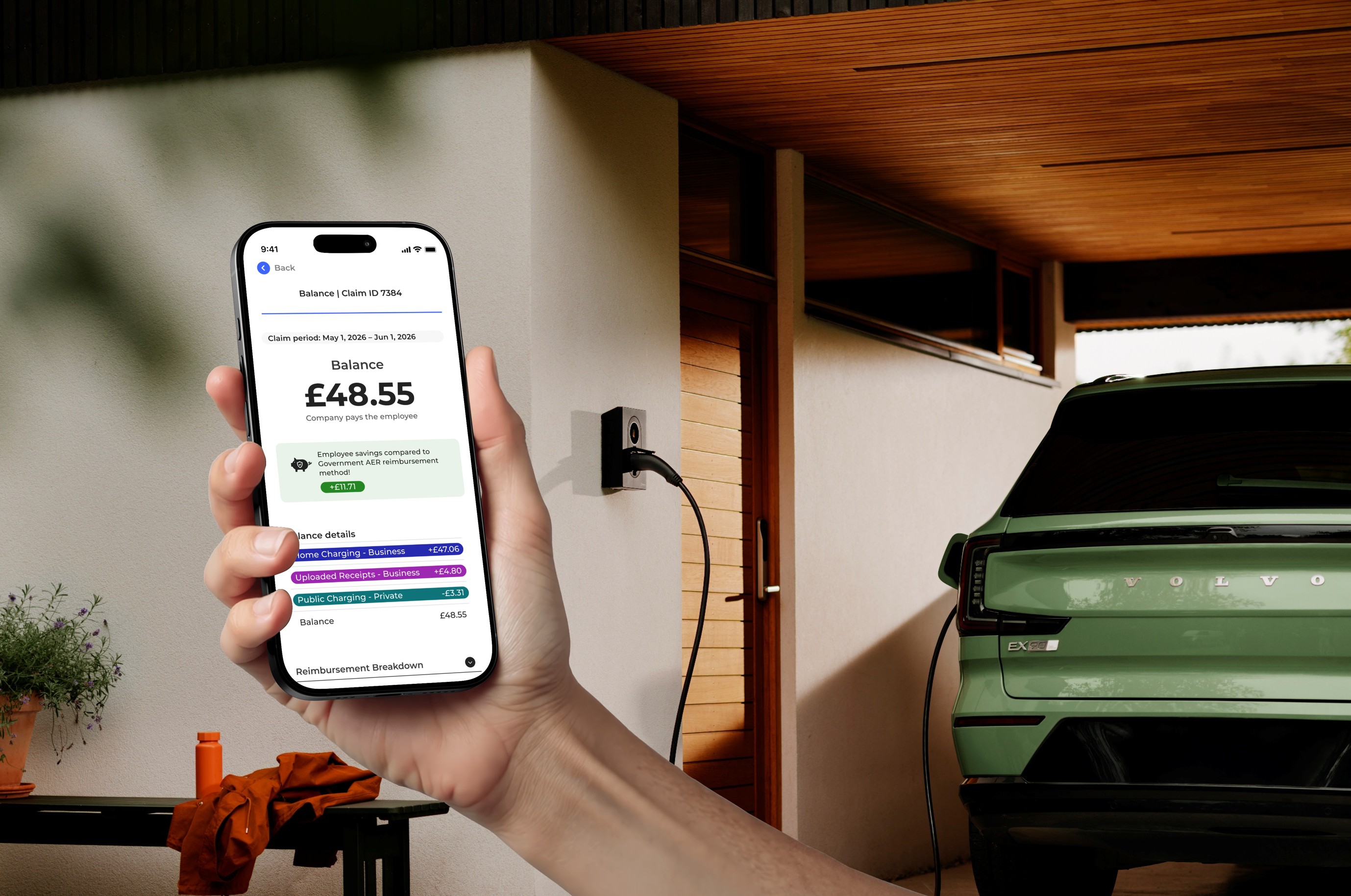
Paua Solo is the UK’s first salary sacrifice public charging card.
It lets employees use part of their gross salary to pay for public charging, saving up to 62% compared with using a debit card.
Here’s how it works:
- When you order your EV, you add a Paua Solo card to your package.
- Choose a fixed monthly allowance (£25–£100).
- That amount comes out of your gross pay before tax and NI.
- Paua loads that value onto your card each month.
- You charge at over 69,000 public connectors across 50+ networks
It’s that simple.
You’re now charging your EV tax-efficiently - and completely hassle-free.
5. Why this matters for drivers
If you can charge at home, brilliant - but nearly half of UK households can’t.
For those drivers, public charging is essential. But without a pre-tax solution like Paua Solo, it can be:
- Expensive (60–75p per kWh).
- Inconvenient (multiple apps, receipts).
- Unfair (homeowners save more).
Paua Solo changes that by making public charging:
- Tax-efficient. Paid from your gross salary.
- Simple. One card, one app, one allowance.
- Inclusive. Works for drivers without home chargers.
That turns the EV salary sacrifice offer into a genuinely fair benefit for everyone — not just those with driveways.
6. The savings in plain English
Let’s do the maths.
If you’re a higher-rate taxpayer (40% tax + 2% NI):
- A £100 Paua Solo allowance costs you only £58 in take-home pay.
- You get the full £100 of charging credit.
- You save £42 per month, or £504 per year.
Even at basic rate (20% tax + 8% NI), you save 28%.
Add your employer’s NI savings (13.8%), and the total benefit can hit 62% - all within HMRC’s salary sacrifice rules.
7. How Paua Solo keeps it compliant
Compliance is key when it comes to salary sacrifice.
Paua Solo is designed to be 100% HMRC-aligned:
- The allowance is agreed in advance.
- It’s deducted from gross pay.
- The benefit (public charging credit) is of equal value.
- Payroll deductions are fixed and predictable.
That means everyone - employee, employer and scheme provider - can be confident it’s clean, auditable and legal.
No grey areas. No “reimbursement” loopholes.
8. Benefits for employers
Employers love salary sacrifice EV schemes because they help:
- Attract and retain talent with a modern, green benefit.
- Cut fleet emissions and support sustainability goals.
- Save 13.8% in employer National Insurance.
- Simplify reporting through consolidated billing.
When they add Paua Solo, they also gain:
- A fairer offer for employees without home charging.
- One simple dashboard for all driver data.
- Less admin, more adoption.
It’s a sustainability and HR win rolled into one.
9. Benefits for scheme providers
Salary sacrifice providers and leasing companies can add Paua Solo as an optional module in their packages.
It plugs in easily via:
- Simple CSV upload for smaller partners.
- API integration for full automation.
- White-label options for branded delivery.
That makes it easy to offer a complete EV ecosystem - car, charging, and tax efficiency - in one package.
Providers gain an edge, drivers get better value, and employers get less hassle.
Everyone wins.
10. The sustainability story
EV salary sacrifice schemes aren’t just about saving money - they’re about accelerating the UK’s transition to cleaner transport.
By including Paua Solo, employers can:
- Enable more staff to drive electric.
- Report real-time CO₂ savings from charging sessions.
- Support their ESG and CSR goals with tangible data.
Fair, inclusive electrification is a sustainability story investors love - because it’s measurable, not just moral.
11. The end-to-end experience
A modern salary sacrifice EV programme now includes three core elements:
Together, they form a single, seamless ecosystem - from plug to payroll.
That’s what turns salary sacrifice from a “car benefit” into a mobility benefit.
12. The bottom line
Salary sacrifice EVs are already one of the best employee benefits available. But when you add Paua Solo for public charging, you take the scheme from good to complete.
You get:
- The car - new, affordable, and low tax.
- The charging - simple, inclusive and tax-efficient.
- The compliance - clean and HMRC-aligned.
- The sustainability - measurable and meaningful.
In short:
Car + Charging + Tax Efficiency = The Complete EV Experience.
Paua Solo - Public charging made simple, fair and tax-efficient.
Paua is a business EV charging payment platform that enables fleets to manage public, home and workplace charging in one system.
Read more about Paua Salary Sacrifice here.