TL;DR
Yes, you can add public charging to your salary sacrifice car with Paua Solo. By paying from gross salary, you can save up to 62% on public charging while keeping everything simple, compliant and admin-free.
Can I Add Public Charging to My Salary Sacrifice Car?
Spoiler: yes - and it can save you up to 62% on your charging costs.
If you’ve joined a salary sacrifice electric vehicle (EV) scheme, you’ve already taken one of the smartest financial and environmental decisions possible. You’re driving a cleaner car, paying less tax, and supporting your employer’s sustainability goals.
But there’s a question more and more drivers are asking:
“Can I add public charging to my salary sacrifice car?”
The answer is simple: yes, you can - with Paua Solo.
And when you do, you can make your public EV charging up to 62% cheaper by paying through your gross salary instead of your take-home pay.
Here’s exactly how it works.
1. Why you’d want to add public charging in the first place
Let’s start with the why.
Public charging matters because not everyone can plug in at home. Around 44% of UK households don’t have a driveway or easy access to a home charger.
If you’re one of them, you probably rely on public chargepoints - at supermarkets, motorways, or car parks - to keep your car topped up.
Without an integrated charging solution, you’re:
- Paying full post-tax prices at the charger.
- Managing multiple apps and receipts.
- Missing out on potential salary sacrifice savings.
Adding public charging to your car package fixes all of that - making every plug-in simpler and more affordable.

2. The old way: messy, manual, and expensive
Until recently, public charging for salary sacrifice drivers was awkward.
You’d pay out of pocket at a charger, then submit receipts for reimbursement (if your employer allowed it).
That approach had three big flaws:
- You pay with taxed income - no salary sacrifice benefit.
- You waste time submitting claims and tracking spend.
- Your employer drowns in admin managing it all.
It was clunky, inconsistent and anything but fair.
3. The new way: Paua Solo
Paua Solo changes all that by adding public charging directly into your salary sacrifice car package.
You simply choose an allowance (say £25, £50, £75 or £100 per month) when you order your car.
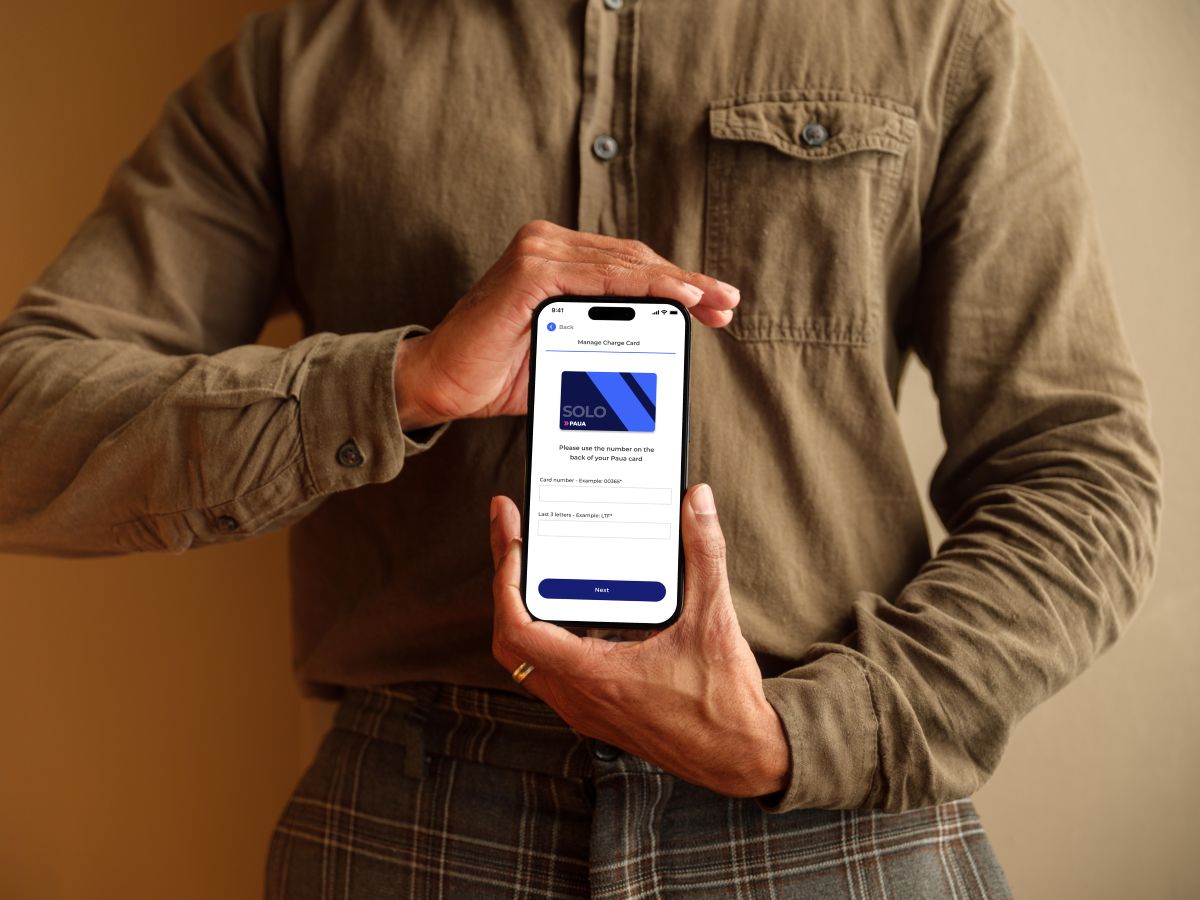
That allowance is deducted from your gross pay - before tax and National Insurance. Paua then loads that amount onto your Paua charge card, which works across 69,000+ UK chargepoints from 50+ networks
Now, every time you charge publicly, you’re doing it tax-efficiently - saving roughly 28–42% depending on your tax rate.
4. Step-by-step: how to add Paua Solo to your EV package
Adding Paua Solo is simple, and can usually be done when you order your EV or through your scheme provider.
Here’s the step-by-step:
Step 1: Choose your EV through your salary sacrifice platform
Pick your electric vehicle as normal - whether it’s a Tesla, MG4, Polestar or ID.3.
Step 2: Select “Add Public Charging” or “Add Paua Solo”
Many providers list Paua Solo as an add-on benefit. If not, just ask your HR or fleet contact to include it.
Step 3: Pick your monthly allowance
Choose an allowance that matches your driving habits - for example:
- £25/month for occasional charging.
- £50/month for regular local charging.
- £75–£100/month for frequent motorway users.
Step 4: Payroll does the rest
Your employer deducts that allowance from your gross salary - keeping everything clean, compliant and predictable.
Step 5: You get your Paua card and app
Paua posts your physical charge card and gives you access to the app for real-time tracking, maps and usage.
And that’s it - you’re live.
5. How the tax savings work
Because your charging allowance is taken before tax, you get the full value of the allowance rather than paying from what’s left after HMRC takes its share.
Let’s look at two quick examples.
Example 1: Basic-rate taxpayer
- Tax: 20%
- NI: 8%
- Saving: 28%
Sacrifice £100 from your gross pay → lose £72 in take-home pay → get £100 of public charging.
Example 2: Higher-rate taxpayer
- Tax: 40%
- NI: 2%
- Saving: 42%
Sacrifice £100 from gross → lose £58 in take-home → get £100 of charging.
It’s a no-brainer - you’re effectively charging your car with pre-tax income.
6. What happens if you don’t use your full allowance?
No problem - Paua Solo automatically rolls over any unused balance into the next month.
Example:
- Allowance = £50/month
- You spend £30 this month.
- £20 carries forward automatically.
There’s no expiry date, and nothing gets lost.
7. What if you go over your allowance?
If you use more public charging than your allowance covers, Paua Solo simply charges the difference to your linked debit or credit card.
Example:
- Allowance = £50
- You use £65 worth of charging.
- £50 comes from your salary sacrifice credit.
- £15 comes from your personal card.
Payroll doesn’t change, and you stay fully compliant.
8. What about home charging?
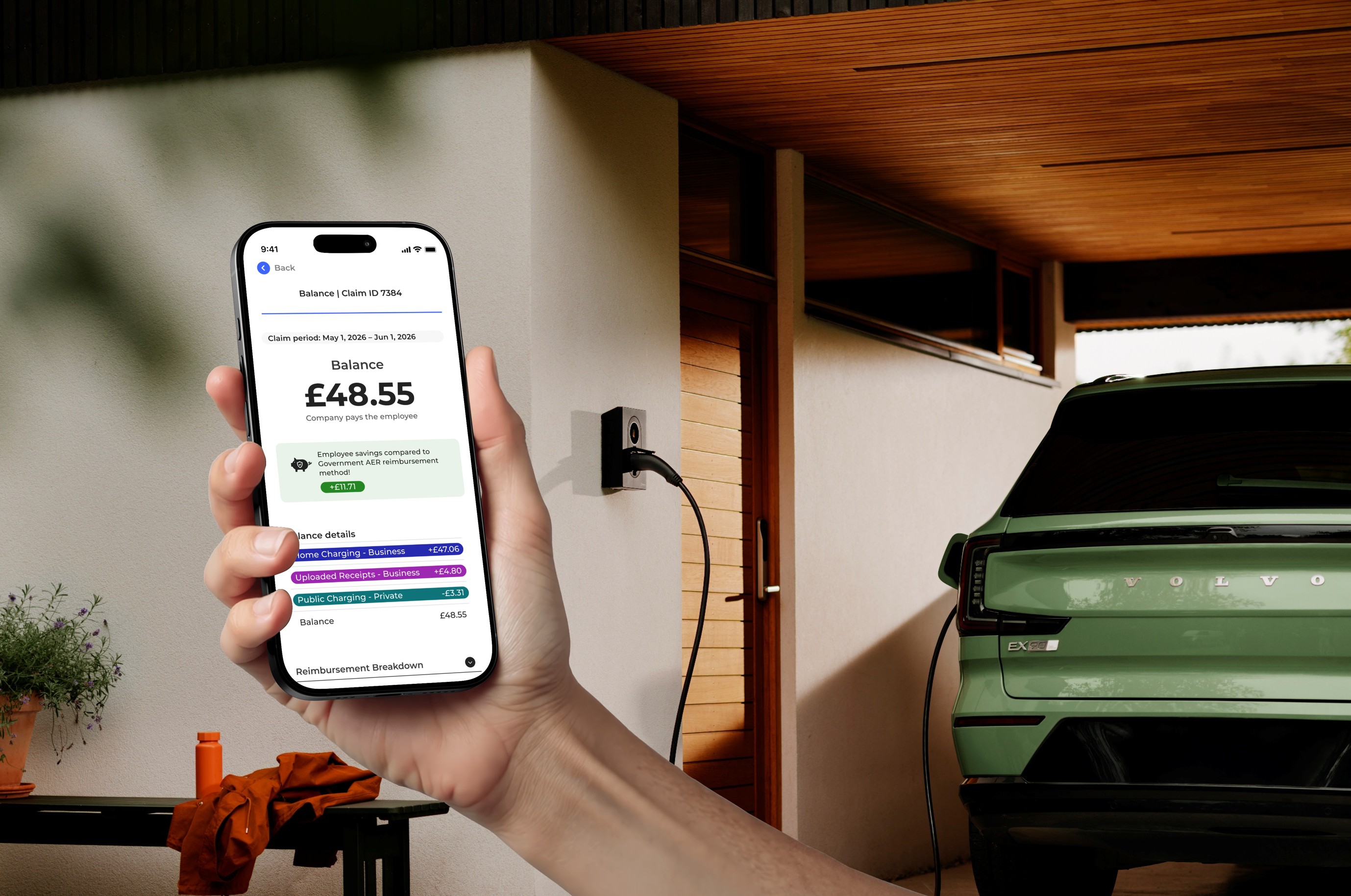
Paua Solo is designed specifically for public charging, but Paua also offers Paua Reimburse, which automates home energy repayments.
Together, they give you full coverage:
- Paua Reimburse → home charging, reimbursed correctly.
- Paua Solo → public charging, tax-efficiently funded.
That’s how you make your salary sacrifice EV package truly complete.
9. Why employers love it too
Adding public charging isn’t just good for drivers - it makes life easier for employers.
With Paua Solo:
- Payroll sees one fixed deduction per employee.
- HR gets one invoice for all charging.
- VAT is clearly itemised for reclaim.
- Employees are happier and more engaged.
Employers also save 13.8% in National Insurance on the sacrificed salary.
It’s the kind of win-win HR and finance teams rarely get.
10. How it stays compliant with HMRC
The Paua Solo model is pre-tax and pre-agreed, meaning it fits squarely within HMRC salary sacrifice rules.
- Each allowance is defined in your contract.
- The benefit is of equal value to the sacrifice.
- Payroll deductions are fixed and predictable.
Because everything is agreed before use, there’s no tax grey area - unlike “post-pay” or reimbursement models that can blur compliance.
11. Real-life example
Amy works for a national retailer and drives an MG4 on salary sacrifice.
She can’t charge at home, so she adds a £75 Paua Solo allowance.
- Her gross salary sacrifice: £75/month
- Take-home cost: £43.50/month
- Charging coverage: all public networks nationwide
Now Amy saves around £31.50 each month compared to paying at the charger with taxed income - nearly £400 a year.
And she never touches a receipt again.
12. Common questions
Q: Can I change my allowance later?
Yes. Most employers review it annually or when your car lease renews.
Q: Can I see my usage?
Yes — the Paua app shows your balance, recent sessions and savings in real time.
Q: Does this affect my company car tax?
No. Your Benefit-in-Kind calculation stays exactly the same.
Q: What happens if I leave my job?
Your Paua card is deactivated, and your allowance stops automatically.
13. The benefits in one glance
Paua Solo vs Pay-as-you-go EV charging payment comparison
There’s really no contest.
14. The bottom line
Yes - you can add public charging to your salary sacrifice car.
And when you do it with Paua Solo, you unlock a smarter, simpler and cheaper way to stay charged.
You’ll save money at your tax rate, cut paperwork, and make your EV experience genuinely effortless.
One card. One payslip. One smart move.
Paua Solo - public charging made simple, fair and tax-efficient.
Paua is a business EV charging payment platform that enables fleets to manage public, home and workplace charging in one system.
Read more about Paua Salary Sacrifice here.