

TL;DR
Fleets often rely on flat rates, spreadsheets and assumptions when reimbursing EV charging. This leads to inaccurate, unfair and unscalable processes as fleets grow.
The biggest mistakes fleets make with EV reimbursement
Short answer: fleets underestimate complexity, rely on oversimplified methods and delay building proper systems.
Most mistakes are not due to bad intent. They come from applying old fuel logic to a new energy problem.
Here are the most common ones and how to avoid them.
Mistake 1: Treating EV reimbursement like fuel reimbursement
Fuel worked because:
- Prices were relatively consistent
- Transactions were visible
- Fuel cards handled payment
EV home charging is different:
- Energy is bought by the driver
- Pricing varies significantly
- Charging happens outside business systems
Applying fuel logic to EVs leads to inaccurate outcomes.
Mistake 2: Relying solely on flat mileage rates
Mileage rates such as the Advisory Electric Rate are widely used.
They offer:
- Simplicity
- Low admin
But they:
- Do not reflect real energy costs
- Ignore tariff variation
- Can under compensate drivers
This creates a gap between compliance and fairness. Drivers complain and your transition to electric slows.
Mistake 3: Ignoring tariff complexity
Electricity pricing is not uniform.
Drivers may be on:
- Flat tariffs
- Time of use tariffs
- EV specific tariffs
Charging at different times can result in very different costs.
Ignoring this leads to:
- Inaccurate reimbursement
- Frustrated drivers
Mistake 4: Mixing business and private miles
Most company vehicles are used for:
- Business miles
- Private miles
Failing to separate these properly results in:
- Over reimbursement
- Compliance risk
- Poor cost control
Clear attribution is essential.
Mistake 5: Over relying on spreadsheets
Spreadsheets are often the starting point.
They work when:
- Driver numbers are low
- Data is simple
They break when:
- Tariffs vary
- Data increases
- Processes scale
Common issues include:
- Errors
- Missing data
- Delayed payments
- Weak audit trails
Mistake 6: Not capturing the right data
Accurate reimbursement depends on:
- Energy used
- Cost per kWh
- Charging time
- Vehicle identification
- Business miles
Without this, fleets rely on estimates.
Estimates lead to inconsistency.
Mistake 7: Delaying reimbursement payments
Even if calculations are correct, delays create problems.
Drivers expect:
- Timely payment
- Predictable processes
Delays lead to:
- Loss of trust
- Increased queries
- Administrative burden
Mistake 8: Using a one size fits all approach
Fleets are diverse.
Drivers may:
- Have different tariffs
- Have different charging setups
- Drive different mileages
A single approach often:
- Over compensates some
- Under compensates others
Flexibility is required.
Mistake 9: Treating reimbursement as an afterthought
Some fleets focus on:
- Vehicle rollout
- Charging access
And leave reimbursement until later.
This leads to:
- Reactive processes
- Inconsistent policies
- Driver dissatisfaction
Reimbursement should be designed early.
Mistake 10: Focusing only on compliance
Many fleets aim to stay within HMRC guidance.
This is important.
But compliance alone does not guarantee:
- Fairness
- Accuracy
- Driver satisfaction
Drivers care about outcome, not just policy.
What these mistakes have in common
They all stem from one issue:
underestimating how different EV energy is from fuel
EV reimbursement is not just:
- A finance task
- A policy decision
It is a system that sits across:
- Fleet
- Finance
- Payroll
- Drivers
What good looks like instead
Fleets that avoid these mistakes:
- Use accurate, data driven calculations
- Reflect real energy costs
- Separate business and private miles
- Build scalable processes
- Pay drivers reliably
This creates:
- Fair outcomes
- Better cost control
- Stronger driver trust
How Paua Reimburse helps fleets avoid these mistakes
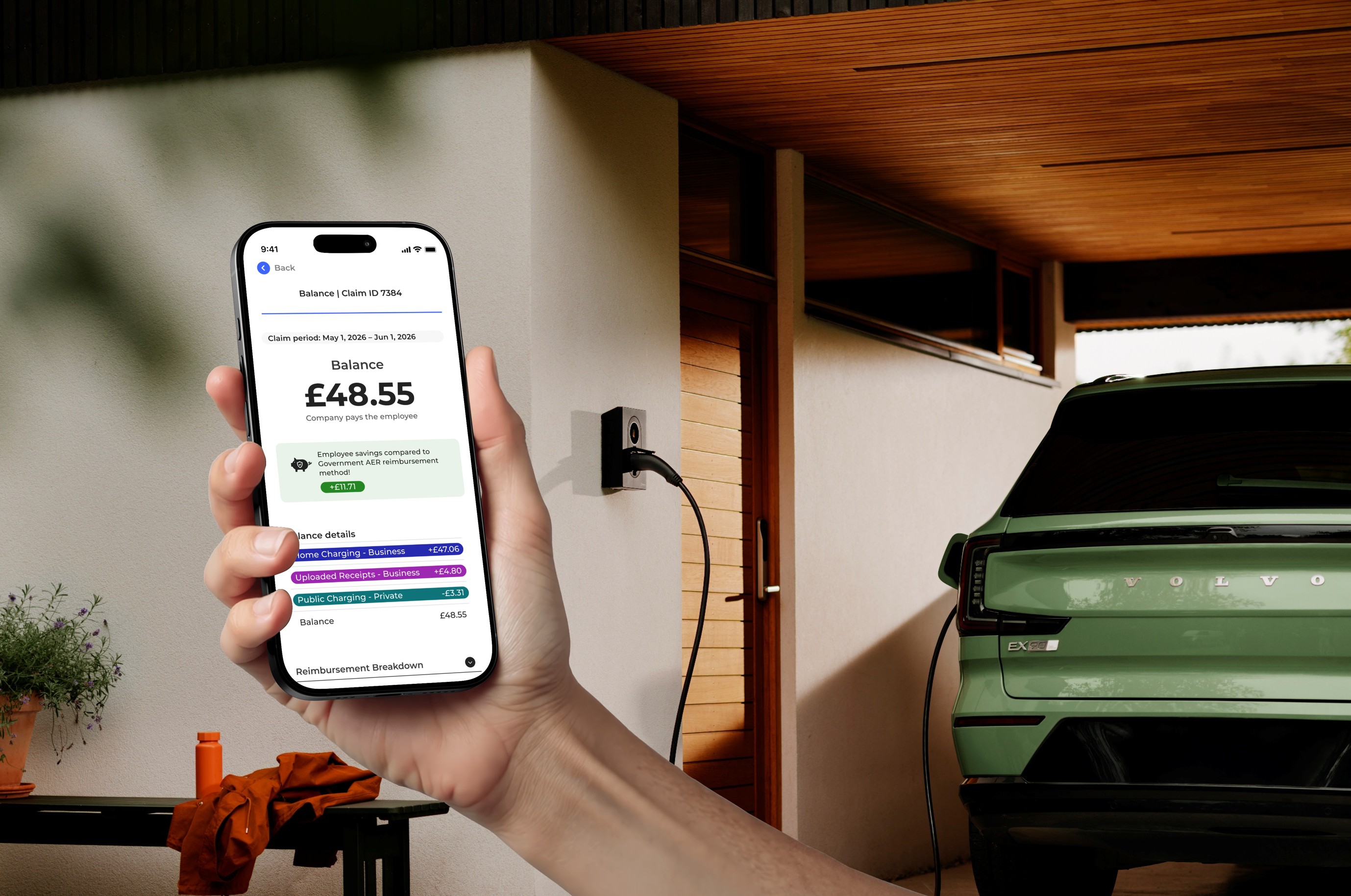
Paua Reimburse is designed to remove the friction from EV home charging reimbursement.
It helps fleets:
- Calculate true energy costs
- Handle different tariffs and charging behaviours
- Separate business and private miles
- Standardise processes across drivers
- Provide clear, auditable records
This reduces risk and improves consistency.
The takeaway
Most fleets make similar mistakes when starting with EV reimbursement.
- They simplify too early
- They rely on legacy approaches
- They delay building proper systems
Fixing these early prevents cost, complexity and frustration later.
About Paua
Paua is a UK EV charging payment platform for fleets. We help businesses pay for electric vehicle charging across public networks, home charging and shared depots, giving fleet managers control over time, cost and data as they electrify.
Read more about Paua Reimburse


.jpg)
