TL;DR
Many businesses have EV chargers sitting unused while other fleets struggle to find suitable charging locations. Paua Share connects the two, enabling depot owners to share spare charging capacity with approved fleets, retain control over access and pricing, and generate revenue. Visiting fleets gain access to more charging locations, including sites suitable for electric vans and HGVs.
Why We Built Paua Share: Unlocking Private EV Depot Charging
The Chargers Already Exist. So Why Can't Other Fleets Use Them?
Across the UK, businesses are investing millions in EV charging infrastructure. But what happens to those chargers when their own vehicles aren't using them?
At the same time, other fleets are struggling to find suitable places to charge.
It got us thinking.
What if the answer to some of our charging infrastructure challenges wasn't simply building more chargers?
What if we could make better use of the ones that already exist?
That's why we built Paua Share.
Paua Share is a shared depot charging platform that connects private charging infrastructure with commercial fleets that need somewhere to charge. Working with partners including First Bus, Stagecoach, Motus Commercials and Ford & Slater, Paua brings participating depot charging locations together through one fleet charging and payment platform.
The problem: Charging infrastructure doesn't always exist where fleets need it
For businesses transitioning to electric vehicles, finding somewhere to charge isn't always as simple as opening an app and choosing the nearest public charger.
And the challenge becomes even greater when you're operating commercial vehicles.
A delivery van might need somewhere to charge during its working day. A large HGV might need a location with sufficient space, access and charging capacity. An emergency services vehicle might need access to charging infrastructure outside its own operational area.
Public charging networks are growing, but not every location is suitable for every vehicle or every operational requirement.
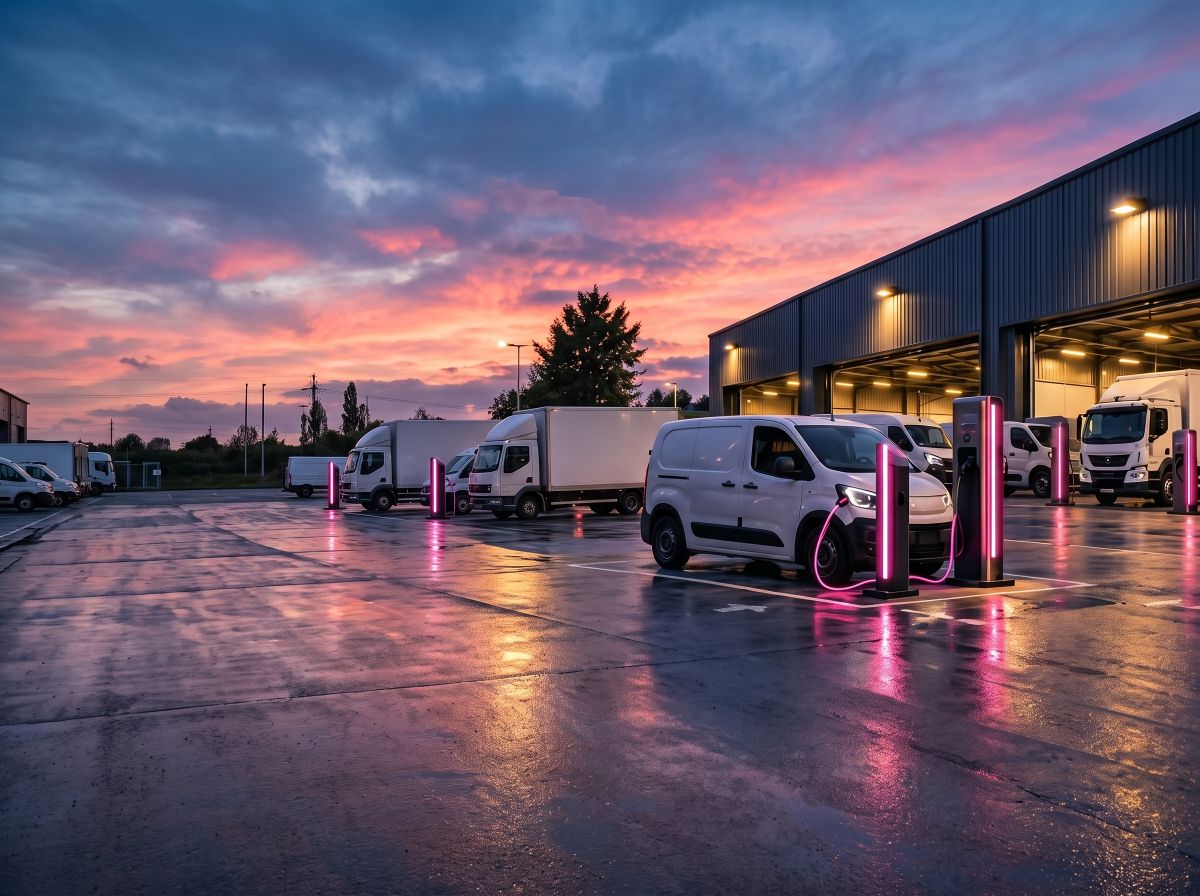
Meanwhile, businesses across the country are installing chargers at depots, offices and operational sites.
Some of those chargers will be in constant use. Others may sit unused for significant periods, particularly when vehicles are out on the road.
So we have two challenges happening at the same time.
Some fleets need more places to charge. Others already have charging infrastructure that isn't being fully utilised.
We saw an opportunity to connect the two.
What if businesses could share their EV charging infrastructure?
It sounds simple, doesn't it?
If one business has available charging capacity and another business needs somewhere to charge, why shouldn't they be able to help each other?
But in practice, there are some important questions.
Who can access the chargers? How do you control availability? How does the visiting fleet pay? How does the site owner know who's using its infrastructure?
And perhaps most importantly, how do you make all of that work without creating more administration for either business?
These were exactly the types of challenges we wanted to address.
Paua Share was developed following a Department for Transport-funded Innovate UK project, working alongside Cenex, Suffolk County Council and Oxfordshire County Council.
The aim was to explore how existing charging infrastructure could be used more effectively and help support the transition to electric fleets.
For us, the opportunity was clear.
We didn't need to make every private charger public. We needed to make private charging accessible to the right businesses, at the right times, with the right controls.
So we built Paua Share
Paua Share enables businesses to make their private charging infrastructure available to other approved fleets while retaining control over how it's used.
A business with chargers at its depot can choose to share available capacity with other businesses.
The site owner can control who has access, when the chargers are available and the rates charged.
Visiting fleets can then use approved charging locations through the Paua platform, with charging transactions and costs managed centrally.
There may be site-specific access arrangements, including health and safety requirements, operating hours and vehicle restrictions.
No separate payment arrangements between drivers and site owners. No need for visiting drivers to manage multiple charging accounts.
And for the infrastructure owner, it's an opportunity to generate value from charging assets they've already invested in.
The important part is that sharing doesn't mean giving up control.
The chargers remain the property of the business that owns them. Paua simply provides the technology to make controlled sharing possible.
Bringing shared depot charging networks together
Of course, a shared depot charging platform only becomes useful when there are depots for fleets to access.
That's why our partnerships are such an important part of Paua Share.
We've worked with leading bus operators and commercial vehicle dealerships to bring suitable private depot charging infrastructure into one fleet charging ecosystem.
And the scale of the opportunity is already becoming clear.
- First Bus (First Charge): Our partnership began by opening access to 11 First Bus depot locations in May 2025, with high-powered charging from 150 kW to 350 kW. First Charge now publicly lists 14 live depot charging locations across the UK. Its Glasgow Caledonia site alone offers 34 ultra-rapid charging points. Read about our First Bus partnership.
- Stagecoach (Chargd): Stagecoach launched Chargd to make spare charging capacity at its electric bus depots available to other commercial fleets. In July 2026, Stagecoach confirmed six operational locations in Inverness, Cambridge, Oxford, Stockton, London and Dover, with nine additional depots announced for later in the year. Paua is a named Chargd partner. Read Stagecoach's announcement.
- Motus Commercials & Ford & Slater: Motus one of the UK's largest DAF dealer groups, Motus has invested in 180 kW electric truck charging infrastructure at nine locations across its wider dealership estate. Together with Ford & Slater, Motus is helping add 16 shared truck charging locations through Paua Share.. Read about our Motus and Ford & Slater partnerships.
These are published partner network and partnership figures. The number of locations available to individual Paua fleets depends on site activation and access agreements.
What matters to fleet operators is that they don't need to establish a separate charging payment relationship with every depot operator.
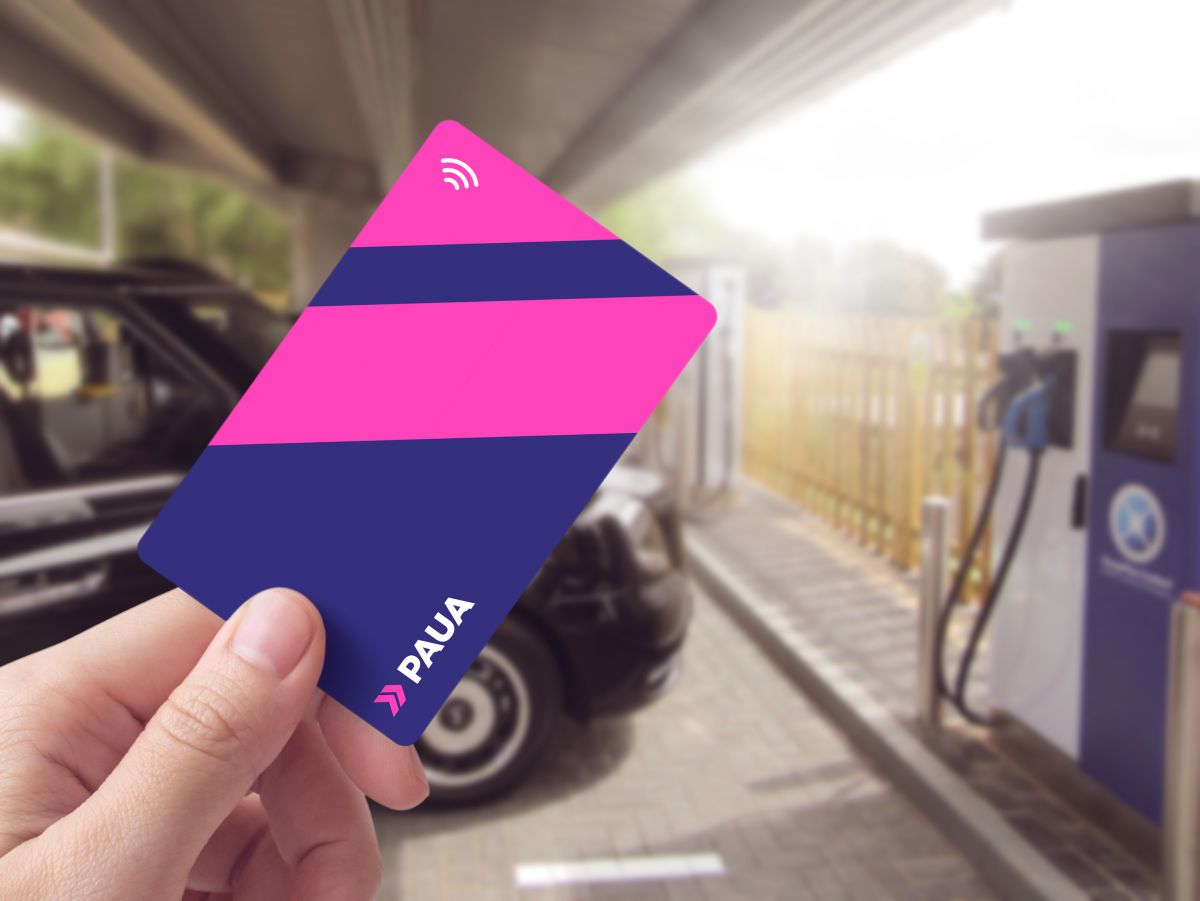
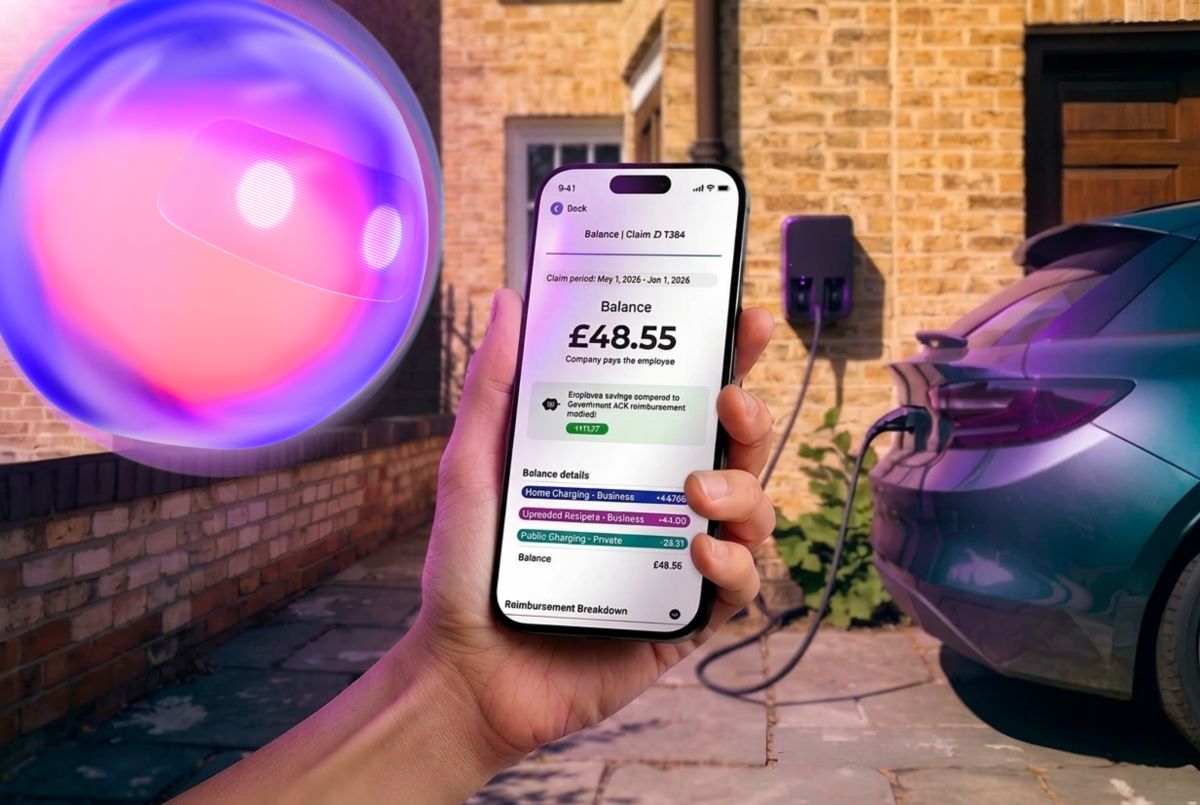
Paua brings participating shared depots together through one card, one app and one fleet charging platform.
The same platform also provides access to Paua's extensive public charging network.
So instead of treating public charging and private depot charging as separate problems, fleet managers can start bringing both into one place.
And that is where sharing becomes really powerful.
Shared depot charging isn't just about cars
One of the reasons we believe shared charging is so important is the growing number of commercial vehicles transitioning to electric.
Cars have access to an expanding public charging network, but larger vehicles can face additional challenges.
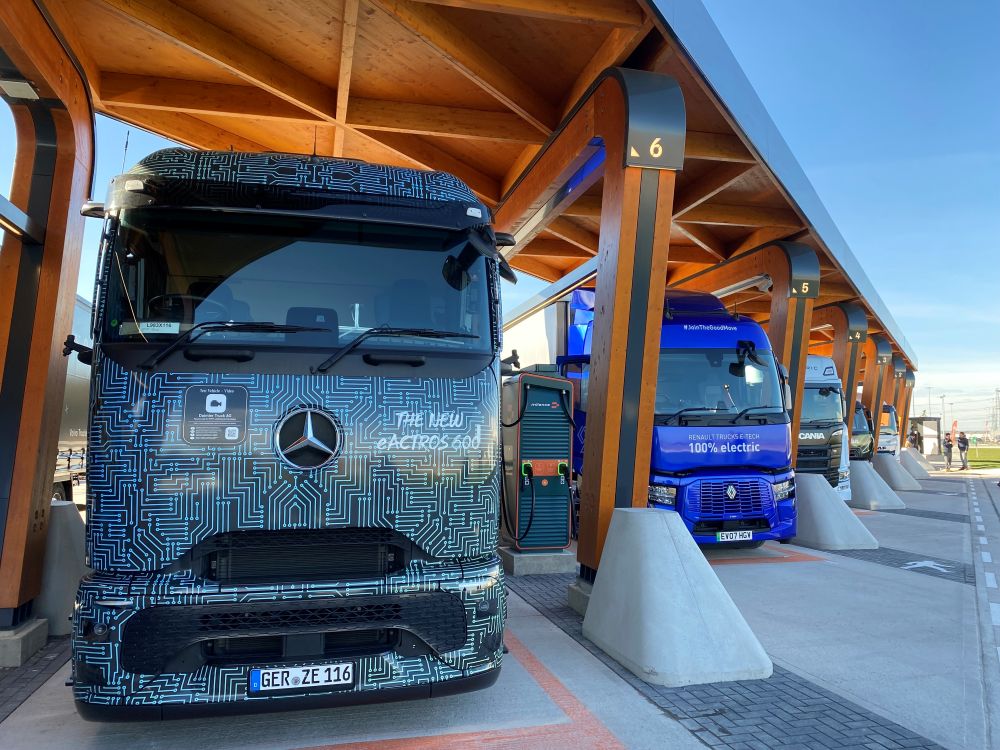
A charger might be technically compatible with an electric HGV, but that doesn't mean the vehicle can physically access it.
Turning space, vehicle dimensions, site restrictions and operational requirements all matter.
Paua Share can support locations suitable for cars, vans and large electric trucks, including vehicles weighing up to 40 tonnes, where the site permits.
By opening up suitable private charging locations, we can help fleets find charging options that better reflect the vehicles they actually operate.
And that matters for businesses whose vehicles can't simply pull into any public charging bay.
Why shared charging could be particularly important for essential services
Think about organisations operating vehicles that need to be on the road every day.
Emergency services, local authorities, highways teams and other essential service fleets often have their own operational sites and charging infrastructure.
But their vehicles don't always stay within their own areas.
What happens when an electric vehicle needs to charge while operating away from its home depot?
Imagine if approved fleets could access suitable charging infrastructure belonging to other participating organisations.
Rather than every organisation having to build charging capacity everywhere its vehicles might travel, they could make better use of the infrastructure already available.
This is one of the opportunities we see for Paua Share.
Not replacing public charging, but complementing it with additional locations that would otherwise remain inaccessible to visiting fleets.
Better utilisation. More opportunities.
For businesses that have invested in charging infrastructure, the benefits go beyond simply helping another fleet.
Installing chargers requires investment, planning and often significant electrical infrastructure upgrades.
If those chargers have spare capacity, why shouldn't the business have an opportunity to generate revenue from it?
With Paua Share, infrastructure owners can make available capacity accessible to approved businesses without opening their sites to everyone.
They retain control over access, availability and pricing while gaining visibility of charging activity.
Paua manages the charging payments and provides a self-billing process for participating depot owners, reducing the administrative work involved in sharing their chargers.
And because the infrastructure already exists, sharing that capacity can help make better use of the investment that's already been made.
For visiting fleets, the benefit is equally straightforward.
More places to charge, potentially closer to where their vehicles need to be.
Why build more before making better use of what we've got?
Of course, the UK needs continued investment in EV charging infrastructure.
We're not suggesting otherwise.
But we also believe that making better use of existing infrastructure should be part of the conversation.
Every suitable depot charger that becomes accessible to another fleet creates an additional charging opportunity.
Every business that shares available capacity helps make the charging network more useful.
And every fleet that gains access to an additional location has more flexibility in how it operates its electric vehicles.
It's a different way of thinking about charging infrastructure.
Rather than every business solving the same problem independently, we can create opportunities for them to share resources.
We built it because electrification shouldn't happen in isolation
At Paua, we've always believed that making fleet electrification easier requires more than simply giving drivers access to public chargers.
It means understanding how businesses actually operate, where their vehicles need to go and what infrastructure is available to support them.
Paua Share is an example of that thinking.
We saw businesses investing in charging infrastructure.
We saw other fleets struggling to find suitable places to charge.
And we asked ourselves whether technology could bring those two groups together.
Because sometimes the solution isn't another charger.
It's making the chargers we've already built work harder for everyone.
And that's why we built Paua Share.
Frequently asked questions about shared depot EV charging
What is shared depot EV charging?
Shared depot charging allows businesses with private EV charging infrastructure to make spare charging capacity available to other approved fleets. It gives visiting fleets access to additional charging locations while allowing depot owners to retain control of their facilities.
Which shared depot charging networks can fleets access through Paua?
Paua Share works with depot charging partners including First Bus (First Charge), Stagecoach (Chargd), Motus Commercials and Ford & Slater. Participating sites can be accessed through Paua once the fleet has the required approval and the location has been enabled.
How does Paua Share work?
Paua Share connects businesses that have available depot charging capacity with fleets that need somewhere to charge. Depot owners set access conditions, availability and pricing. Approved visiting fleets use their Paua card or app to charge, with transactions and payments managed through the Paua platform. At all times the depot is in charge of who is allowed to access their site and they can determine the rules and permissions for the site. Depots also set their own pricing.
Can electric trucks use shared depot chargers?
Yes. Participating depots can offer charging suitable for electric trucks, including large HGVs. Access depends on charger compatibility, vehicle dimensions, site layout and the depot owner's operating requirements. Paua helps fleets identify appropriate locations.
Do fleets need separate charging accounts for First Charge, Chargd and other depot partners?
Paua brings supported shared depot charging locations together with public EV charging through one account, card and app. Drivers still need the appropriate approval to enter individual private depots, but charging payments can be managed centrally through Paua.
Discover how Paua Share helps businesses unlock the potential of their charging infrastructure and gives fleets more places to charge.