TL;DR
EV charging is simple for private drivers but more complicated for businesses. Fleets need to manage public, home, workplace and shared depot charging, with different payment methods, costs and data requirements.
Paua brings these together in one platform, helping fleet managers reduce costs, simplify administration and make charging easier for drivers.
EV Charging Payments: Why Business Fleets Need More Than a Charge Card
Finding and paying for EV charging has become relatively straightforward for private drivers. For businesses running electric cars, vans and trucks, the challenge is far more complex.
A private EV driver can find a charger, tap a payment card and drive away. But a business must also consider vehicle suitability, charging costs, VAT receipts, driver reimbursement and the data needed to manage its fleet.
At Paua, we've spent five years working with fleet operators to tackle these challenges. Our network now connects more than 100,000 charging connectors across over 60 partners. Along the way, we've discovered that solving one charging problem often reveals another.
We recently explored these challenges in our webinar, Breaking Down Barriers to Simple EV Payments, presented by our CEO and co-founder, Niall Riddell.
Watch the webinar; Breaking down barriers to simple EV charging payments
Why are EV charging payments more complicated for businesses?
Business EV charging involves much more than paying for electricity.
Fleet managers need drivers to find suitable chargers, start charging without difficulty and have every transaction recorded accurately. They also need visibility of costs, energy consumption and charging behaviour.
These requirements become particularly challenging when a fleet operates across multiple charging networks and locations.
A business might have drivers charging at home overnight, using rapid chargers during the day, returning to workplace chargers or accessing another company's depot.
Each location has different rules, payment arrangements and data requirements.
For fleet operators, the challenge is bringing these experiences together.
The three essential steps: Find, Charge and Pay
Every EV charging journey involves three basic tasks.
1. Find the right charger
Drivers need to find an available charging location suitable for their vehicle.
For a car, this might mean checking connector type, charging speed and price.
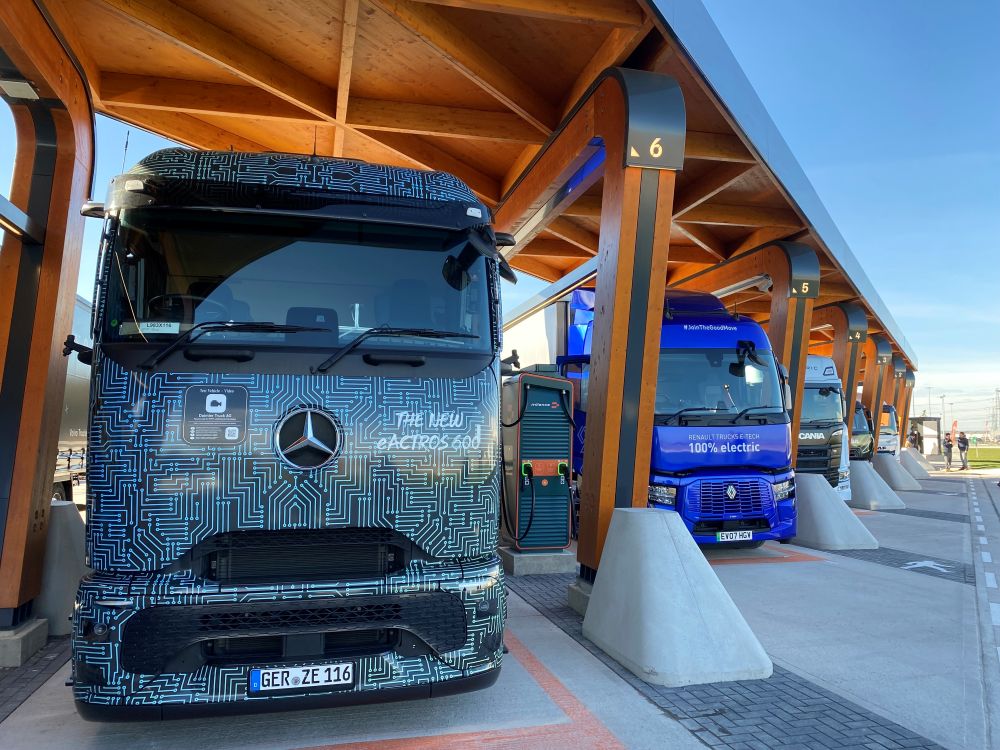
For a long-wheelbase van or an articulated electric truck, physical access becomes equally important.
Can the vehicle fit into the bay? Can the charging cable reach? Can the driver manoeuvre safely?
Paua helps drivers identify charging locations based on vehicle size, including dedicated facilities suitable for larger commercial vehicles.
2. Charge without complications
Once drivers arrive, they need to start charging.
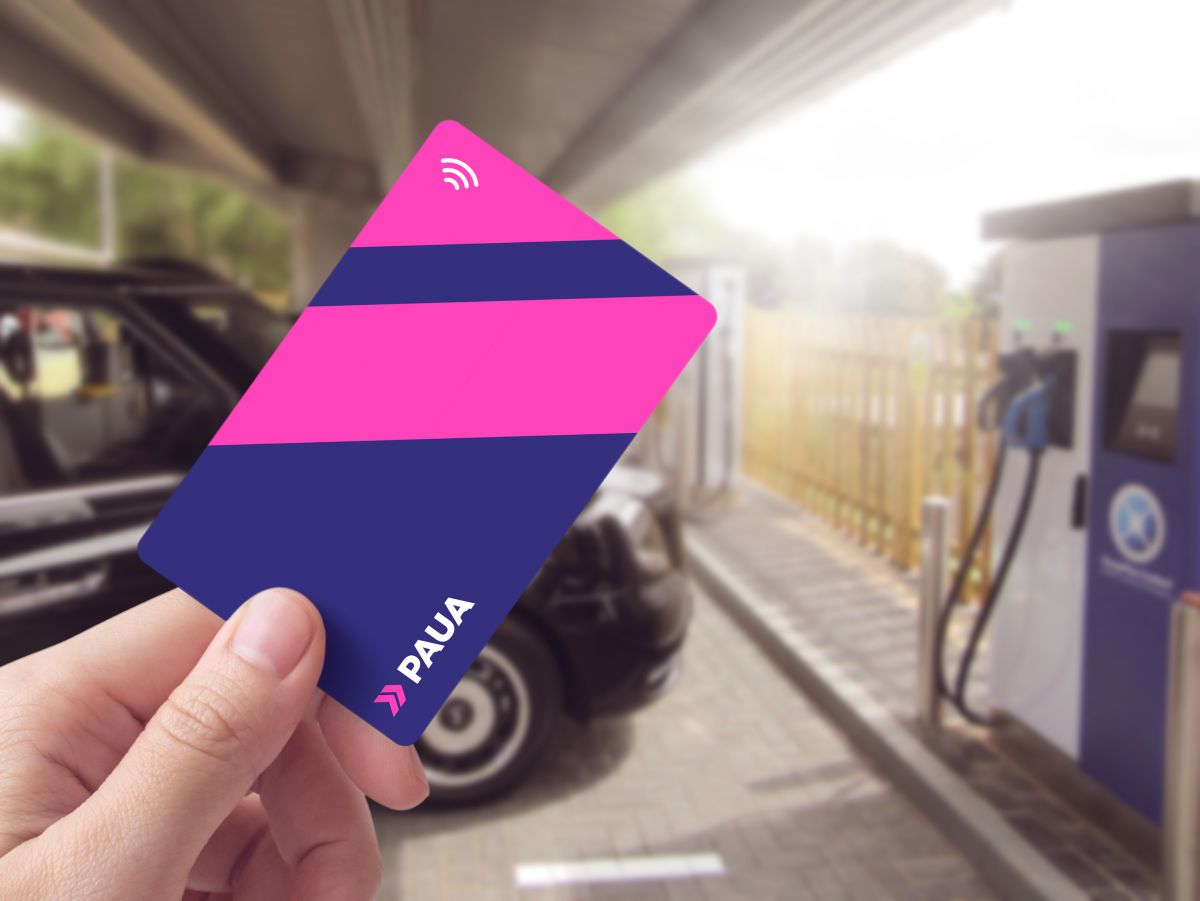
RFID charging cards and mobile apps already make this easier across multiple networks.
Looking ahead, technologies such as Plug & Charge could simplify the process further by allowing compatible vehicles to authenticate automatically when connected.
The objective is straightforward: drivers should spend less time managing charging technology and more time doing their jobs.
3. Pay and capture the data
For businesses, payment is about more than completing a transaction.
Fleet managers need accurate records of charging costs, electricity consumption and VAT. Those records must be available centrally, regardless of which network a driver uses.
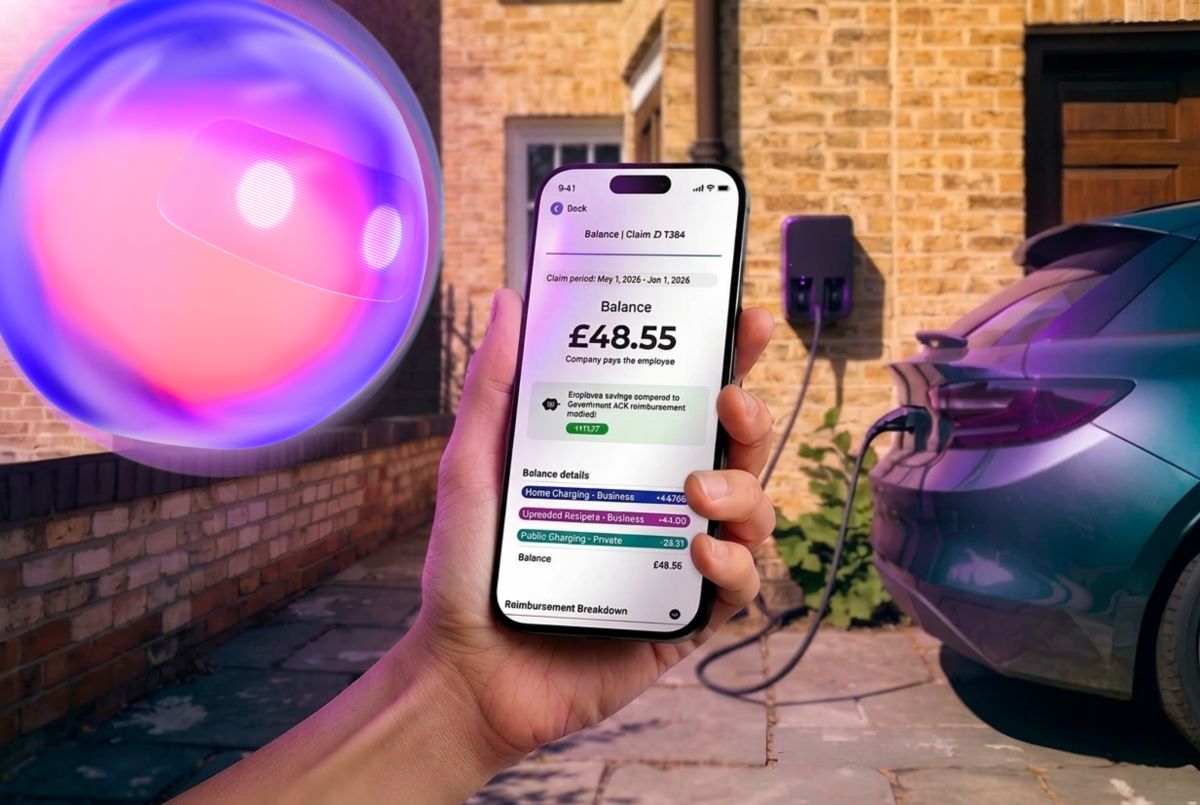
Home charging adds another challenge. The driver pays for electricity through their domestic energy bill, while the employer must calculate and reimburse the appropriate business charging costs.
A joined-up charging platform helps businesses manage these different payment flows.
Four locations, one fleet charging experience
Electric vehicles charge in four main environments, each presenting different challenges.
Public charging
Drivers need access to a broad charging network, clear pricing and suitable locations. Fleet managers need consolidated billing, consistent data and visibility of charging costs.
Home charging
Businesses need accurate electricity data, appropriate home energy tariffs and a fair way to reimburse drivers for business charging. Where vehicles are used privately, they must also distinguish business and personal usage.
Workplace charging
Businesses operating their own chargers need to manage access, usage and reporting. Charging data should sit alongside public and home charging information.
Shared depot charging
Bus garages, truck depots and other businesses increasingly have opportunities to share charging infrastructure with third-party fleets.
These arrangements require permission controls, commercial agreements and suitable facilities for visiting vehicles.
Combining all four environments is essential for businesses that want a consistent charging experience across their fleet.
What have fleet operators taught us about better EV charging?
Many of Paua's developments have come directly from customer challenges.
Packfleet: Reducing unnecessary overstay fees
Packfleet identified a problem familiar to businesses transitioning from diesel vehicles.
Drivers accustomed to parking diesel vans overnight sometimes left electric vans connected to public chargers long after charging had finished.
The resulting overstay fees could accumulate into thousands of pounds.
By identifying where and when these charges occurred, Paua helped Packfleet tackle driver behaviour and save tens of thousands of pounds annually.
Royal Mail: Making home charging reimbursement work
Royal Mail needed a reliable approach to reimbursing employees who charged company electric vehicles at home.
Working with Royal Mail and its accounting partner, Paua developed a methodology designed to align with HMRC requirements and account for business and private mileage.
The goal was to reimburse drivers fairly while giving the business confidence in its calculations.
National Grid: Finding exceptions in charging data
National Grid wanted better visibility of unusual charging activity.
Rather than manually reviewing every transaction, Paua developed reporting that highlights exceptions such as unusually large charging sessions, unexpected connector types or charging outside normal working hours.
This allows fleet managers to investigate the transactions that warrant attention.
Reducing public charging costs
One customer challenged us to help reduce public charging expenditure.
The resulting Paua PRO reporting identifies where a driver could have used a cheaper, suitable charging location nearby.
Customers implementing these insights have achieved savings of around 7.5% in public charging costs.
These examples demonstrate how charging data can help fleets manage operational costs, not simply record them.
Electric trucks are creating new charging challenges
As more businesses introduce electric heavy goods vehicles, charging infrastructure must accommodate larger and more demanding vehicles.
An articulated truck cannot necessarily use a charger designed for a passenger car, even when the connector is technically compatible.
Fleet operators need information about bay sizes, turning circles, vehicle access and charging availability.
Paua's vehicle-size filters help drivers locate suitable facilities, while Paua Share opens up private depot charging infrastructure to authorised visiting fleets.
This gives operators additional charging options without requiring every business to build its own national charging network.
What's next for business EV charging?
EV charging technology continues to develop. Several innovations could make the experience more straightforward for fleets.
Charger reservations
Businesses increasingly want confidence that a suitable charger will be available when an electric truck or van arrives.
Through the Freight Innovation Fund, supported by Connected Places Catapult, Paua is exploring how to bring bookings across multiple charging systems into one fleet-facing platform.
Plug & Charge
Automatic vehicle authentication could remove the need for drivers to present a card or open an app at compatible chargers.
Dynamic pricing and energy flexibility
As electricity pricing becomes more flexible, businesses may have greater opportunities to shift charging to cheaper periods.
Better charging cost optimisation
Combining charging data, network prices and fleet requirements can help businesses identify ways to reduce expenditure without disrupting operations.
How can businesses simplify fleet EV charging today?
Businesses can start by bringing their charging arrangements into one consistent system.
That means giving drivers access to suitable charging locations while giving fleet managers centralised visibility of payments, energy consumption, reimbursement and costs.
The traditional fuel card model was designed around petrol stations. Electric vehicles charge in many more places, with different technology and commercial arrangements.
The next generation of fleet charging solutions must reflect that reality.
At Paua, our goal is to make it easier for businesses to find, charge and pay, wherever their vehicles need electricity.
Watch our webinar: Breaking Down Barriers to Simple EV Payments
In this 22-minute webinar, Paua CEO and co-founder Niall Riddell explores the challenges facing business EV fleets, shares examples from customers including Royal Mail, National Grid and Packfleet, and considers the technologies that could simplify charging in the future.
Find out more about Paua's fleet EV charging solutions at paua.com.
Frequently asked questions
How do businesses pay for EV charging across different networks?
Businesses can use an aggregated EV charging service such as Paua to access multiple public charging networks through one charging card or app. The service consolidates transactions into centralised billing and reporting.
Can employers reimburse staff for charging electric company vehicles at home?
Yes. Employers can use home charging reimbursement systems to calculate the electricity used for business charging and reimburse drivers according to the appropriate tariff and usage methodology.
How can fleet managers reduce EV charging costs?
Fleet managers can analyse charging locations, identify unnecessary overstay fees, compare nearby charging prices and encourage drivers to use cheaper suitable infrastructure where practical.
Where can electric trucks charge in the UK?
Electric trucks can use suitable public charging hubs and dedicated commercial vehicle facilities, including authorised shared depots. Fleet operators must check physical access, bay dimensions, charging power and connector compatibility.
What is shared depot charging?
Shared depot charging allows one business to make its private charging infrastructure available to authorised third-party vehicles. It can help fleet operators access charging capacity without installing infrastructure at every location.