
TL;DR
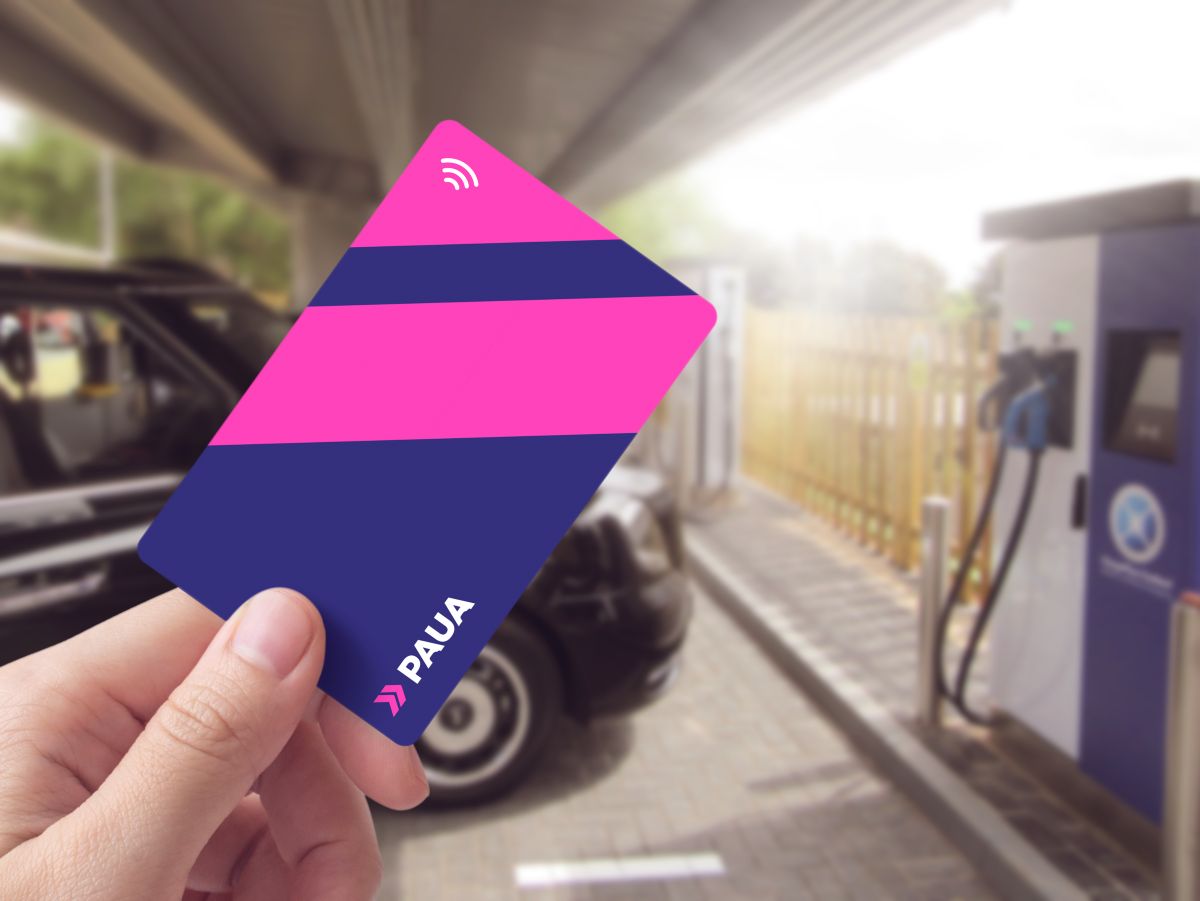
EV fleet charging problems are leadership and operating model issues, not technology gaps. The Paua EV charging card gives organisations control, transparency and governance to scale fleets confidently without added complexity.
Demonstrating leadership in EV Fleet Charging
Electric vehicle charging at scale is not a Technology Problem
For most UK organisations, the decision to electrify the fleet has already been made.
The real challenge now is execution at scale.
Despite rapid improvements in vehicles and charging infrastructure, many fleets still struggle with fragmented charging networks, unpredictable costs, poor reporting, and frustrated drivers. These challenges are not rooted in a lack of chargers or vehicles; they are symptoms of leadership decisions made without the right operating model.
The Paua EV charging card, supported by the Paua platform, exists to solve this leadership gap by turning EV charging into a controlled, auditable, and scalable fleet function.

The Hidden Cost of Fragmented EV Charging
EV charging is often treated as a tactical issue; left to drivers, reimbursed manually, or managed across multiple charging apps and cards. Over time, this creates operational drag.
Without a single system like the Paua EV charging card, organisations experience:
- Fragmented receipts across drivers
- Inconsistent driver experiences
- Unclear cost attribution by driver or vehicle
- Gaps in HMRC-compliant audit trails
- Increasing administration for finance teams
The Paua EV charging card consolidates all public charging into one secure, governed system; transforming charging from a liability into a controllable cost centre.
EV Charging Is Now a Finance and Governance Issue
As fleets scale, EV charging moves quickly from operations into finance, audit, and compliance. This is where many early-stage charging solutions fall short.
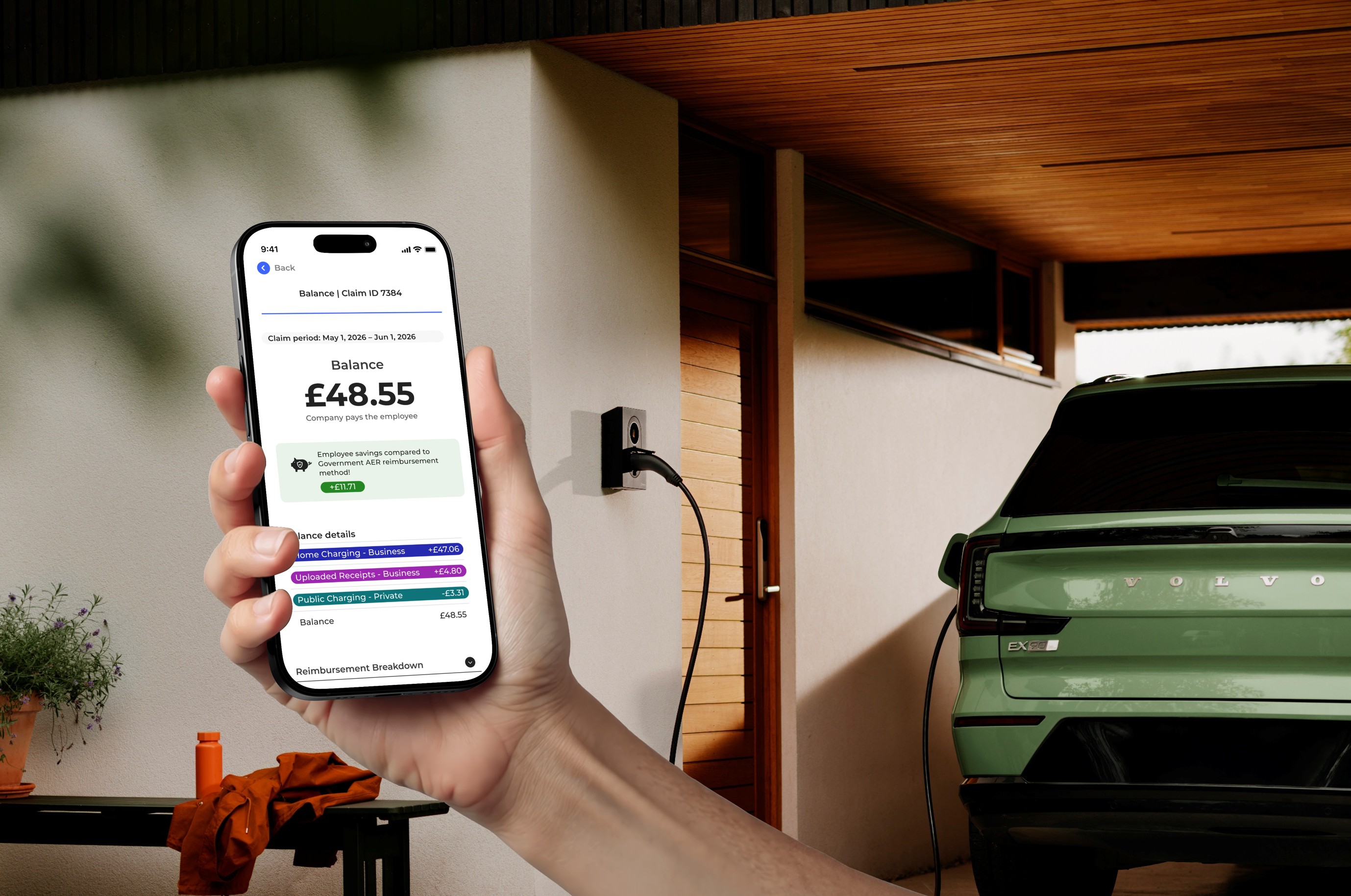
Every charge made using the Paua EV charging card generates live, auditable data; including cost (inc. VAT), energy (kWh), driver, vehicle, location, and overstay fees; all visible in the Paua Dashboard.
For leadership teams, this level of transparency enables:
- Accurate forecasting of energy costs
- HMRC-aligned reporting and reconciliation
- Departmental and cost-centre accountability
The Paua EV charging card gives finance leaders the same control they expect from fuel cards; without the complexity.
Driver Experience Is a Leadership Decision
Driver behaviour is shaped by systems, not policies.
When drivers are forced to juggle multiple apps, unclear pricing, or unreliable chargers, charging becomes a source of friction. The Paua EV charging card, paired with the Paua App, removes this friction by giving drivers a simple, predictable charging experience.
With the Paua EV charging card, drivers gain:
- Nationwide access with one card
- Visibility of pricing before charging
- Live charger availability and navigation
- Instant card freeze/unfreeze controls
Leaders who invest in better driver tools see fewer support tickets, lower misuse, and higher EV adoption confidence.
Control Does Not Mean Complexity
A common misconception in fleet electrification is that greater control requires greater complexity. Paua has proven the opposite.
Through the Paua EV charging card and Paua Dashboard, fleet managers can:
- Freeze, block, or reassign cards instantly
- Link cards to drivers or vehicles
- Identify overstay fees and usage trends
- Export data for finance and sustainability teams
This level of control is achieved without adding friction for drivers; a balance that only works when charging is designed as a system, not a collection of tools.
EV Charging Data Is Strategic Infrastructure
EV charging data is no longer “nice to have.” It is now a strategic asset that informs:
- Fleet cost optimisation
- Sustainability reporting
- Infrastructure investment decisions
- Behavioural change initiatives
Every session completed using the Paua EV charging card feeds into Paua’s reporting suite, enabling organisations to benchmark cost per kWh, identify network preferences, and guide drivers to more cost-effective charging.
This turns charging data into a leadership advantage.
Scaling EV Fleets Requires an Operating Model; Not More Apps
Many organisations attempt to scale EV fleets by adding more solutions: more cards, more apps, more reimbursement processes. This approach does not scale.
The Paua EV charging car represents a different philosophy:
- One card
- One app
- One invoice
- One reporting system
This operating model allows fleets to grow without increasing administrative burden; a critical requirement for enterprise and public-sector organisations.
The Future of Fleet Charging Is Centralised, Transparent, and Flexible
As EV adoption accelerates, charging solutions must evolve beyond simple access. The future belongs to platforms that offer centralised control, real-time transparency, and flexibility at scale.
The Paua EV charging card, alongside products like Paua Controls, Paua Share, Paua Reimburse, and Paua Pro, positions Paua not as a vendor, but as a long-term infrastructure partner for fleet electrification.
Leadership teams that recognise this shift early will move faster, spend less, and scale with confidence.
Final Thought: EV Charging Is a Board-Level Conversation Now
EV charging is no longer a pilot project or sustainability experiment. It is a board-level operational and financial consideration.
The Paua EV charging card gives organisations the governance, visibility, and simplicity required to lead, not react, in the transition to electric fleets.
In the next phase of fleet electrification, the winners will not be those with the most chargers, but those with the clearest charging strategy.
Paua exists to deliver exactly that.
Paua is the EV charging payment platform for business. Paua is a business EV charging payment platform that enables fleets to manage public, home and workplace charging in one system.



.jpg)
