

TL;DR
Many fleets are compliant but not fair. Flat rates and assumptions often under reimburse drivers. Fairness requires reflecting real energy costs and driver circumstances
Are your EV drivers being fairly reimbursed for home charging?
Short answer: many fleets are compliant, but not necessarily fair. Drivers are often under reimbursed without anyone realising.
As EV adoption grows, reimbursement is becoming less about policy and more about trust. If drivers feel out of pocket, it quickly becomes a problem.
Why fairness matters more than you think
Home charging is one of the biggest advantages of EVs:
- Lower cost
- High convenience
But that advantage disappears if drivers feel they are:
- Paying for business miles
- Being reimbursed inconsistently
- Treated differently to colleagues
Fairness impacts:
- Driver satisfaction
- EV adoption
- Internal perception of fleet policy
The hidden gap between compliance and fairness
Many fleets rely on simple, compliant methods such as mileage rates.
These are:
- Accepted by HMRC
- Easy to administer
But they are not designed to:
- Reflect real energy costs
- Adapt to different tariffs
- Allow for many different driver set ups
- Account for charging behaviour
This creates a gap:
A process can be compliant, but still feel unfair
Where unfairness creeps in
Different energy tariffs
Drivers may be on:
- Low overnight EV tariffs
- Standard variable tariffs
- Higher peak rate tariffs
Two drivers doing the same business miles can face very different energy costs.
If both are reimbursed the same:
- One may benefit
- One may lose out
Charging behaviour
Some drivers:
- Charge overnight at lower rates
- Optimise for cost
Others:
- Charge when needed
- Pay higher rates
Flat reimbursement ignores this difference.
Public vs home charging
Drivers without access to home charging may:
- Rely on public charging
- Pay significantly more per kWh
If treated the same as home charging drivers with a single reimbursement rate:
- They are often under reimbursed
Mixed business and private miles
If separation is not accurate:
- Some drivers may be over reimbursed
- Others may be under reimbursed
Inconsistent approaches create tension.
The driver perspective
From a driver’s point of view, the question is simple:
“Am I paying to do my job?”
Drivers notice:
- Their energy bill increasing
- Reimbursement not matching cost
- Differences between colleagues
Even small discrepancies can:
- Trigger questions
- Lead to complaints
- Reduce trust in the system
Signs your reimbursement may not be fair
Fleets should watch for:
- Drivers questioning payments
- Increased queries to finance
- Differences between expected and actual cost
- Complaints from high mileage drivers
- Resistance to EV adoption
These are often early indicators of a fairness problem.
Why this becomes more visible over time
At small scale:
- Differences are less noticeable
- Drivers may accept minor gaps
As fleets grow:
- Variability increases
- Comparisons increase
- Expectations increase
Fairness becomes more visible and more important.
The cost of getting it wrong
Unfair reimbursement leads to:
- Driver dissatisfaction
- Increased admin and queries
- Slower EV adoption
- Internal friction between teams
It can also undermine:
- Sustainability goals
- Fleet strategy
What fair reimbursement looks like
A fair approach should:
- Reflect real energy costs
- Account for different tariffs
- Separate business and private miles
- Treat similar situations consistently
- Be transparent to drivers
It does not need to be perfect, but it needs to feel reasonable.
How leading fleets approach fairness
Fleets that prioritise fairness:
- Move beyond flat rates
- Use data where possible
- Recognise different driver circumstances
- Build clear, consistent policies
They understand that:
fairness drives adoption as much as cost
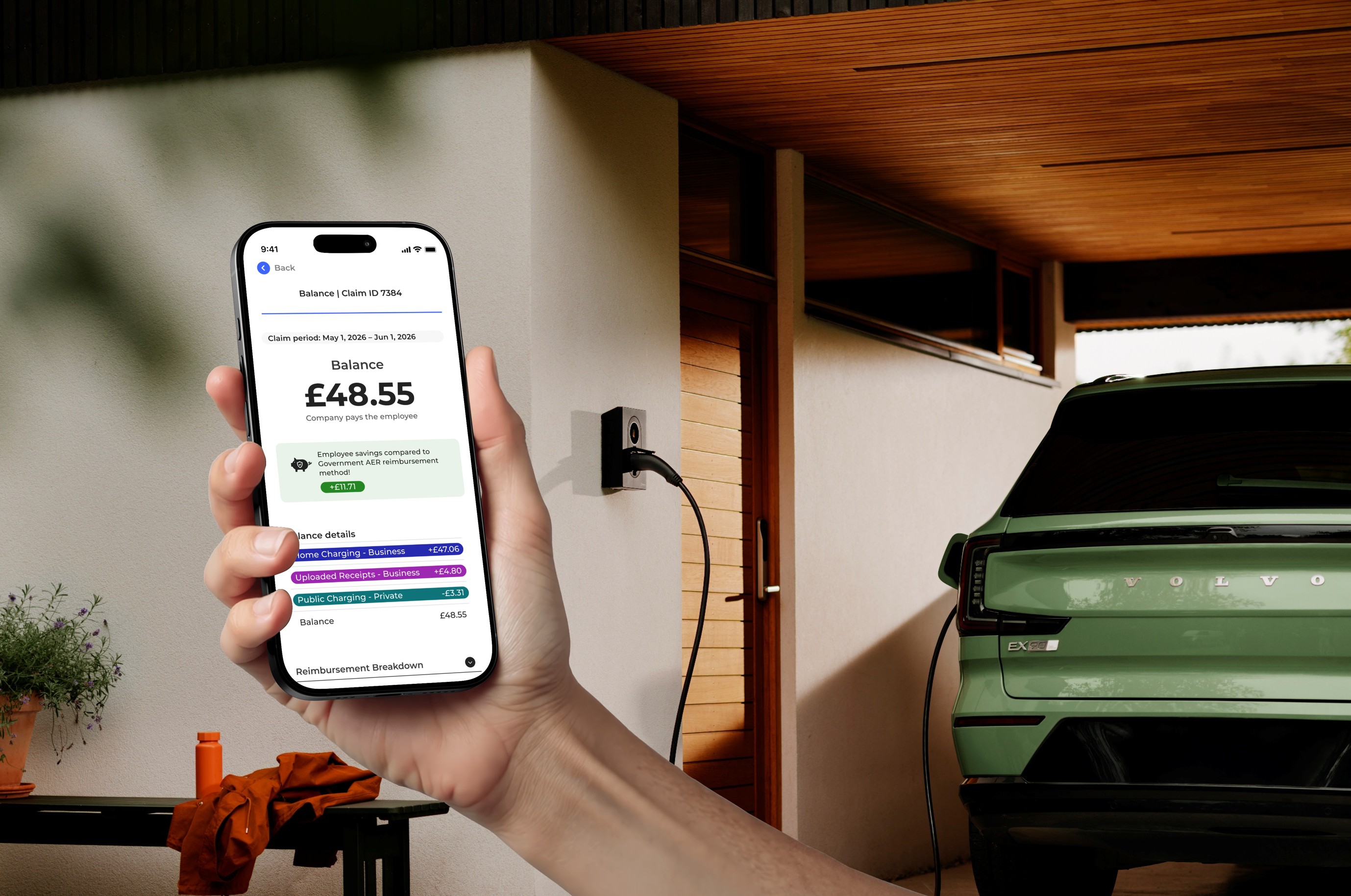
How Paua Reimburse supports fairness
Paua Reimburse is designed to improve fairness across EV fleets.
It helps:
- Calculate true home charging costs
- Reflect individual tariffs
- Separate business and private miles
- Apply consistent logic across drivers
This reduces the risk of:
- Under reimbursement
- Over reimbursement
- Driver dissatisfaction
The takeaway
Fair EV reimbursement is not just about following the rules.
- Compliance ensures the process is acceptable
- Fairness ensures the outcome feels right
Fleets that ignore fairness often revisit reimbursement later under pressure.
Fleets that address it early build trust and support smoother EV adoption.
About Paua
Paua is a UK EV charging payment platform for fleets. We help businesses pay for electric vehicle charging across public networks, home charging and shared depots, giving fleet managers control over time, cost and data as they electrify.
Read more about Paua Reimburse


.jpg)
